Tuesday, September 30, 2025

Symmetry in Wood and Stone - House Renderings

We crushed these ones! The lighting was perfect, the roof texture, the grass, just overall the outcome was incredibly high quality.
— Client
View fullsize house-1.jpg
View fullsize house-2.jpg

Symmetry in Wood and Stone reveals an inviting home where natural materials and thoughtful design come together to create a quiet sense of balance. The photograph captures the house’s gray wooden exterior, grounded by stone accents that lend texture and strength to the lower walls. Intense wooden beams frame the porch and upper window, adding warmth and structure against the cool siding. The natural wood entrance door, not only serving as a welcoming focal point but also providing security and insulation, draws the eye inward, complementing the architectural details.

The carefully maintained front yard, with its lush green grass and tastefully placed flowering plants, enhances the home’s approachable and well-cared-for character. The composition centers on the house’s symmetrical form, supported by clear, natural light that highlights every detail without overpowering. A partly cloudy sky above softens the scene, lending a calm atmosphere that invites viewers to appreciate the seamless unity between the home’s materials and its environment.

This image conveys a timeless appeal rooted in balance and thoughtful craftsmanship, encouraging reflection on how simple, intentional elements come together to create a place of comfort and quiet strength. It stands as a testament to the artistry that results from the careful pairing of texture, color, and design.


source https://bobby-parker.com/architectural-rendering-blog/symmetry-in-wood-and-stone-house-renderings

Gray Shingle Serenity

View fullsize 15-Pen-Craig---front.jpg
View fullsize 15-Pen-Craig---back.jpg

Gray Shingle Serenity rendering is a testament to modern simplicity, where clean lines and thoughtful design intersect to create a space that is both inviting and composed. The house’s unique L-shaped form, clad in smooth gray shingles, offers a refined texture that anchors the structure with subtle depth. The large windows, strategically placed and framed in crisp white, establish a harmonious rhythm that not only invites natural light but also accentuates the thoughtful design of the house.

The roof’s light beige shingles provide a gentle contrast, effectively framing the architecture without overshadowing it. In the foreground, a gravel driveway leads to the entrance, where a sleek silver sports car adds a touch of contemporary elegance, bridging function and style. The surrounding green lawn is meticulously maintained, its freshness enhancing the sense of order and calm that defines the scene. Above, the sky stretches wide and clear, dotted with soft clouds that heighten the feeling of quiet spaciousness.

The composition strikes a perfect balance between precision and tranquility, offering a vision of modern living where every detail serves a purpose. This artwork captures a moment of serene stillness, encouraging reflection on the beauty found in thoughtful architecture and its relationship to the environment. It invites viewers to appreciate the understated power of refined design and the calm confidence that comes from simplicity done well.


source https://bobby-parker.com/architectural-rendering-blog/gray-shingle-serenity

Monday, September 29, 2025

Why a Solid Workflow Is Critical for Both Creativity and Business Success

In creative industries—especially in 3D art, animation, and digital content production—there is a common misconception that creativity should be unstructured and spontaneous. While inspiration does strike in moments of freedom, the execution of great work relies heavily on structured, streamlined workflows. Whether you are a freelancer, a small studio, or a growing production company, optimizing your workflow across both artistic and business domains is non-negotiable if you want to scale, sustain, and succeed.

Let us break this down into two core areas: the artistic workflow, with a focus on building a solid 3D pipeline, and the business management workflow, including billing and project reviews.

1. The Artistic Side: Why a Solid 3D Pipeline Matters

A 3D pipeline refers to the sequence of steps involved in creating 3D content—from concept and modeling to rigging, animation, lighting, rendering, and post-production. A solid pipeline is not just about technical steps; it is about consistency, communication, and clarity.

Benefits of a Strong Artistic Workflow:

  • Predictability: A well-defined pipeline ensures every artist knows what to do, when to do it, and what the expected output should look like at each stage.

  • Collaboration: With multiple departments or artists working together, a structured pipeline prevents bottlenecks and ensures compatibility between assets and software.

  • Quality Control: It is easier to spot issues early when assets move through standardized review stages.

  • Scalability: As projects grow in complexity or your team expands, a robust pipeline makes onboarding easier and deadlines more realistic.

Pro Tips for Optimizing Your 3D Pipeline:

  • Define clear handoff points between each stage (e.g., modeling to rigging).

  • Standardize naming conventions, folder structures, and asset versioning to ensure consistency across all systems.

  • Use project management tools (like ShotGrid, ftrack, or even Trello) to track asset progress and feedback.

  • Automate repetitive tasks (e.g., rendering or file exports) using scripts or software tools.

2. The Business Side: Streamlined Billing & Reviewing Processes

No matter how beautiful your work is, your business will not thrive if your billing is inconsistent or your feedback loops are broken. Administrative processes should support your creativity—not hinder it.

Why Streamlining Business Workflows Is Essential:

  • Faster Payments: Clear invoicing systems result in quicker approvals and fewer back-and-forth communications with clients.

  • Better Client Relationships: Organized review processes instill confidence in clients and enhance collaboration.

  • Less Burnout: With less time spent on admin, creatives can focus on what they do best.

Key Areas to Streamline:

  • Billing: Utilize invoicing software such as QuickBooks, FreshBooks, or Bonsai to automate recurring invoices, track payments, and send reminders.

  • Contracts & Proposals: Standardize Your Proposals and Agreements. Tools like PandaDoc or Notion templates can save hours.

  • Client Review: Set expectations early—how many rounds of feedback are allowed, what the deadlines are, and how feedback should be delivered. Platforms like Frame.io, SyncSketch, or even Google Drive (with structured foldering) can keep things centralized and trackable.

Bridging the Artistic and Management Worlds

The real magic happens when both workflows are aligned.

For example:

  • When your 3D pipeline is tied to a project tracker, you can update clients in real time.

  • When billing milestones are connected to pipeline stages (e.g., 50% payment after modeling), your cash flow stays healthy.

  • When review tools are integrated with your project management system, feedback does not get lost in endless email threads.

Final Thoughts

Creativity thrives in structure—not restriction. A streamlined workflow is not about turning artists into robots or replacing spontaneity with bureaucracy. It is about removing friction, reducing errors, and creating an environment where your team (or you, if you are solo) can focus on what really matters: delivering outstanding work, on time, and getting paid for it.

If you are serious about building a sustainable creative business, invest time in building your workflow just as seriously as you invest in your artistic skills. Your future self—and your clients—will thank you.


source https://bobby-parker.com/architectural-rendering-blog/why-a-solid-workflow-is-critical-for-both-creativity-and-business-success

Friday, September 26, 2025

Palm Fronds and Painted Quiet - Southern House Rendering

View fullsize Rappahannock-Front.jpg
View fullsize Rappahannock-Back.jpg

Palm Fronds and Painted Quiet captures a moment of stillness within a vibrant, sunlit neighborhood. Two light-hued homes stand side by side—one a stately two-story, the other a modest single-story—each defined by clean lines and subtle architectural details. These structures rest comfortably amidst an array of tropical plants and swaying palm trees, which bring a sense of life and texture to the scene, perfectly balancing the quiet simplicity of the architecture.

The composition invites the eye to wander across the fresh greenery, the smooth driveway, and the impeccable lawn, all illuminated by soft, natural light. Above, a clear sky dotted with gentle clouds stretches wide, providing a serene backdrop that enhances the peaceful atmosphere. This artwork not only captures the beauty of everyday environments but also celebrates the harmony between built spaces and the calm presence of nature, inspiring a sense of wonder and appreciation in the viewers.


source https://bobby-parker.com/architectural-rendering-blog/palm-fronds-and-painted-quiet-southern-house-rendering

Thursday, September 25, 2025

Gables Beneath a Whispered Sky - House Rendering

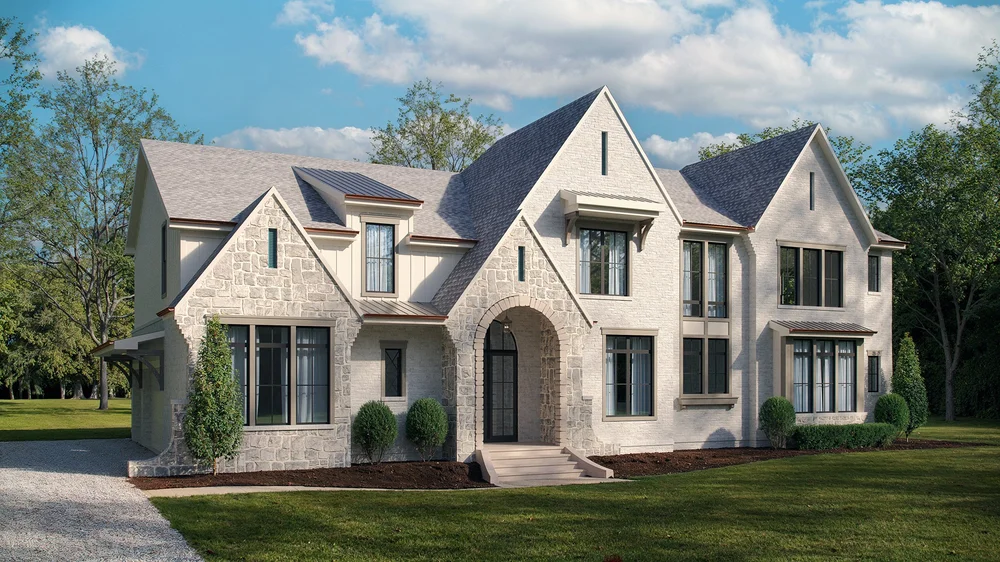
Gables Beneath a Whispered Sky exterior rendering presents a refined vision of contemporary living, harmoniously integrated with nature. The two-story home stands with quiet confidence, its stone and pale brick exterior creating a seamless blend of texture and light. Multiple-pitched gables draw the eye upward, adding depth and rhythm to the structure’s silhouette. Black-framed windows invite the surrounding landscape inside, framing views and filling the interior with natural illumination.

The carefully balanced composition is anchored by a central arched entryway, welcoming and poised, with steps that elevate the approach. Minimalist landscaping—neatly trimmed bushes and a manicured lawn—surrounds the house, emphasizing simplicity and care without distraction. Above, a partly cloudy sky completes the scene with a gentle, shifting light that softens the atmosphere and evokes a sense of calm anticipation. This architectural rendering captures a moment where architectural elegance meets quiet serenity, inviting reflection on the connection between thoughtful design and place.


source https://bobby-parker.com/architectural-rendering-blog/gables-beneath-a-whispered-sky-house-rendering

Wednesday, September 24, 2025

Porchside Breeze and Palm Shadows - Tropical House Rendering

View fullsize Kittrell--Tidal-Flat---front.jpg
View fullsize Kittrell--Tidal-Flat---back.jpg

Porchside Breeze and Palm Shadows - Tropical House Rendering - captures the essence of relaxed coastal living through a vibrant and meticulous portrayal of a two-story home elevated on stilts. The architecture's clean lines and light-toned siding invite a sense of openness and ease, while the generous front porch and screened side area suggest a place designed for connection and quiet moments. Palm trees and rich greenery frame the structure, underscoring the tropical setting and enhancing the calming atmosphere, inviting you to feel excited about the potential lifestyle this home offers.

The home's design is a celebration of nature, with sunlight filtering through the leaves, casting soft shadows that ripple across the porch and exterior. The bright blue sky with scattered clouds creates a backdrop that feels both alive and serene. Every detail—the texture of the siding, the glass reflections, and the gentle incline of the staircase—works together to convey tranquility and a modern appreciation for nature's influence on daily life. This architectural rendering presents a serene vision of home as a sanctuary, where architecture and environment coexist in thoughtful harmony.


source https://bobby-parker.com/architectural-rendering-blog/porchside-breeze-and-palm-shadows-tropical-house-rendering

Tuesday, September 23, 2025

How Long Does It Take to Create an Architectural Rendering?

If you have ever worked with an architect, designer, or developer, you know how valuable a high-quality architectural rendering can be. A rendering allows you to see your project before it is built, helping you make confident design decisions and giving investors, buyers, or clients a clear picture of the final vision.

One of the most common questions I hear is: “How long does it take to create a rendering?”

The answer depends on the complexity of your project and the level of detail required. Here is a simple breakdown of the process and what you can expect when working with a professional 3D rendering service.

Step 1: Building the 3D Model

This is the foundation of any architectural visualization. Think of it as creating a digital version of your project.

  • A simple home interior or exterior: just a few days.

  • A larger or more complex project (like a commercial building or multi-room interior): about a week or more.

If you already have CAD drawings or a basic 3D model, the process is faster. If everything needs to be built from scratch, it will naturally take longer.

Step 2: Adding Materials and Textures

Next comes the detail work, which involves applying materials and finishes such as wood, glass, stone, paint, and fabrics. These textures are what make a photorealistic rendering feel lifelike and accurate to your design vision.

  • Standard finishes: a couple of days.

  • Custom or highly detailed materials: up to a week.

Step 3: Lighting and Rendering

Lighting brings your project to life. Whether you want bright daylight, soft evening ambiance, or dramatic interior lighting, this step sets the mood.

The actual rendering process—where the computer generates the images—can be quick for small scenes or take many hours for large, high-resolution visuals. This stage is crucial for producing high-quality 3D renderings that accurately capture every detail.

Step 4: Final Touches and Enhancements

Once rendered, the images are polished with adjustments to color, contrast, and atmosphere. People, furniture, greenery, and other context may also be added to create realism and scale.

This final step typically takes a few hours per image.

So, What is the Timeline?

Here is a general guideline:

  • Smaller projects (single rooms or a home exterior): 3–5 days

  • Medium projects (multi-room interiors or mid-size buildings): 1–2 weeks

  • Large or complex projects (high-rises, developments, or marketing packages): 2–4 weeks or more

Keep in mind that each project is unique, and the timeline depends on its scope, detail, and deliverables.

How Clients Can Help Speed Up the Process

When working with a 3D visualization studio, your input plays a massive role in keeping the project on schedule. Here is how you can help:

  1. Provide finalized drawings – Accurate floor plans, elevations, or CAD files make modeling much faster.

  2. Share reference images – Photos of materials, furniture, or mood boards help the artist align with your vision.

  3. Decide on finishes early – Confirming flooring, paint, and stone choices saves time in the long run.

  4. Limit revisions – Fewer design changes mid-process mean renderings can be delivered sooner.

  5. Communicate clearly – Prompt feedback and decisions keep everything moving smoothly.

By collaborating effectively, you can often shorten the rendering timeline by several days—or even weeks.

Final Thoughts

Every rendering is more than just a picture—it is a visualization tool that helps you make decisions, secure approvals, and present your design with confidence. Whether it is a residential home, commercial development, or large-scale master plan, architectural visualization provides a window into the future of your project.

Ready to bring your vision to life? My 3D rendering services can help you achieve stunning, photorealistic results tailored to your goals. Reach out today for a personalized consultation and estimate—I will help you see your project before it is built.


source https://bobby-parker.com/architectural-rendering-blog/how-long-does-it-take-to-create-an-architectural-rendering

Thursday, September 18, 2025

Stone and Timber Serenity - Minnesota Lake House Rendering

View fullsize J3 LEGACY Front.png
View fullsize J3-LEGACY-Back.jpg

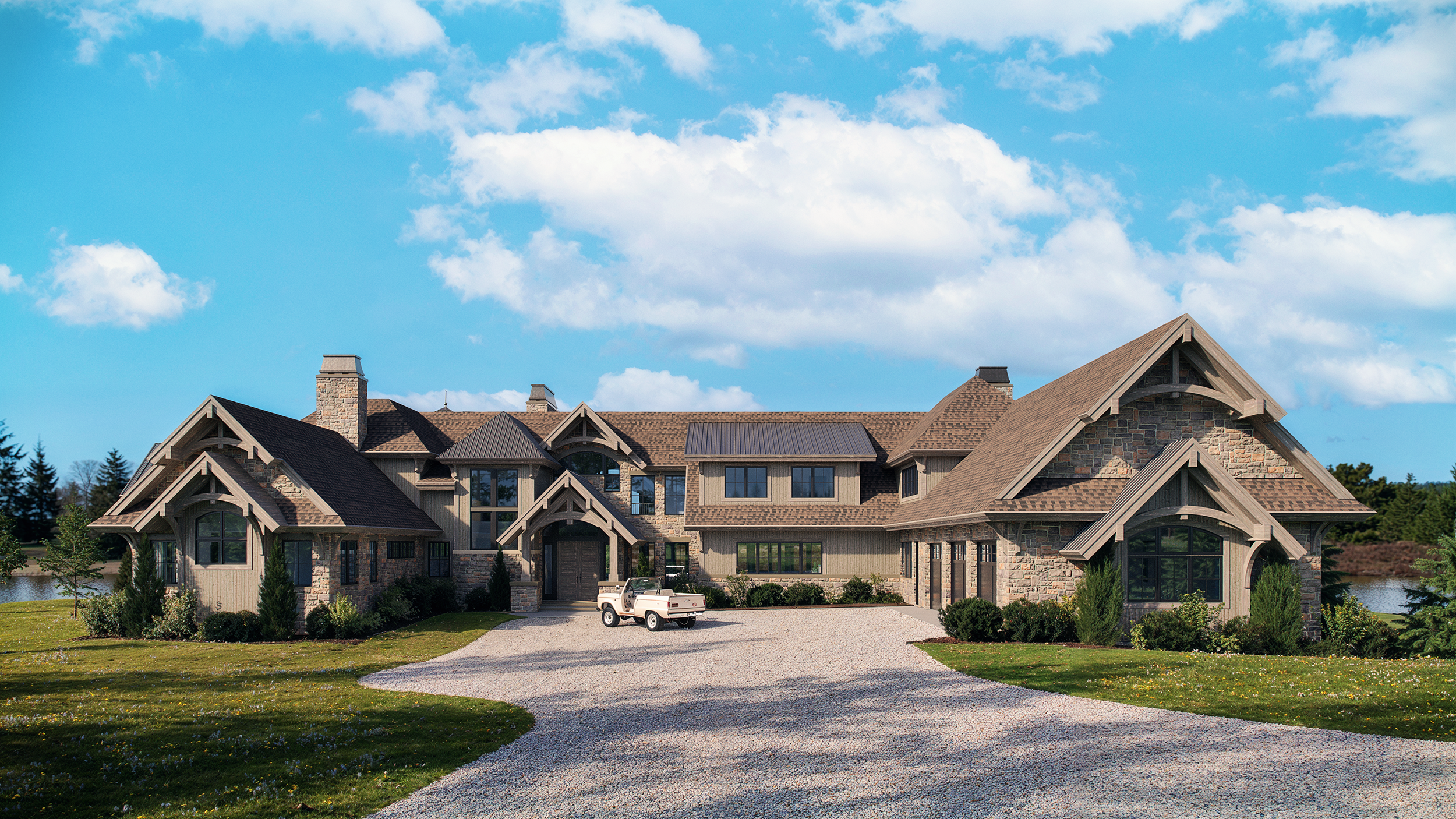
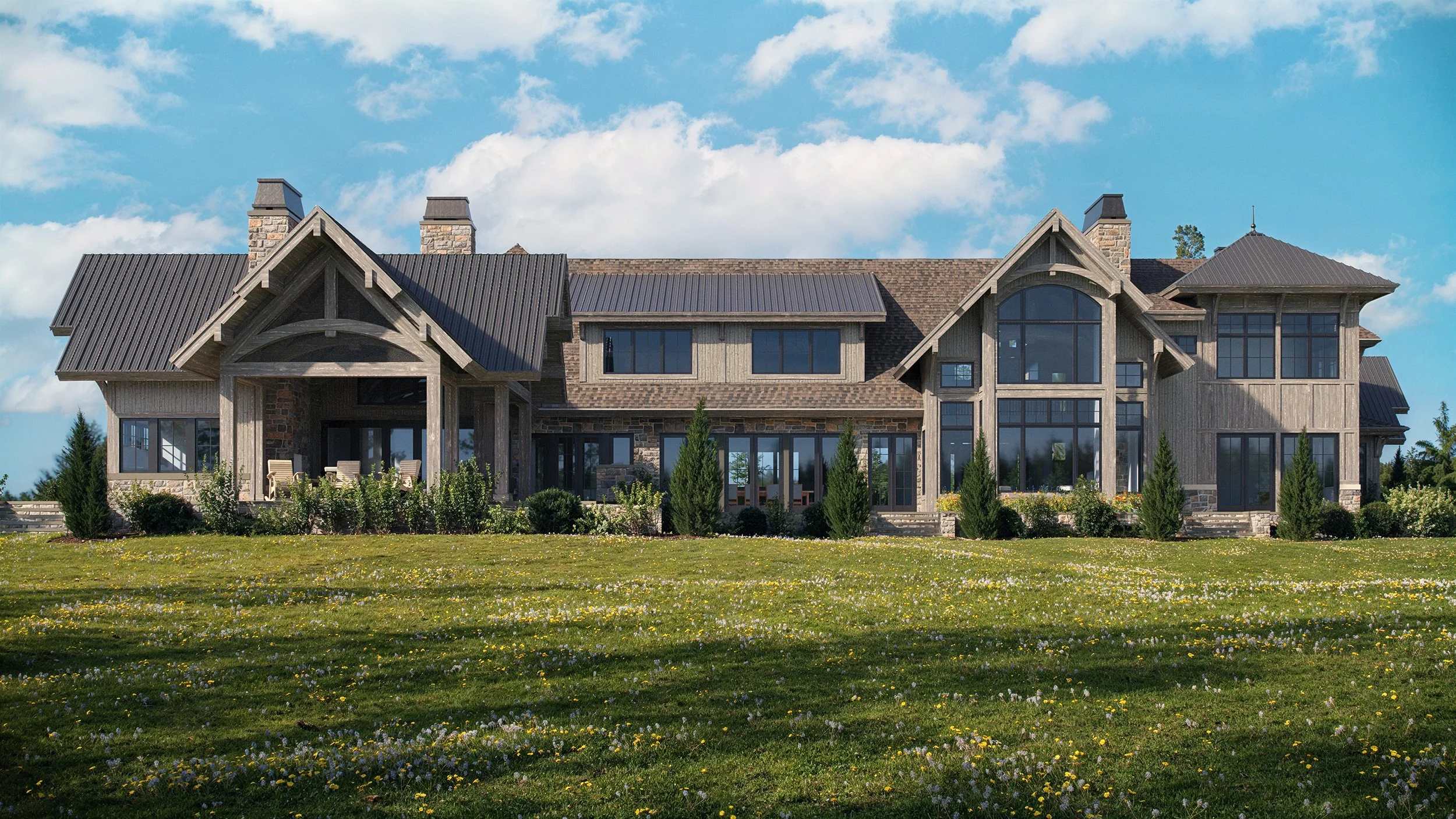
Stone and Timber Serenity beautifully - Minnesota lake house rendering captures the harmonious blend of natural materials and architectural refinement in a grand country home set amidst a tranquil landscape. The robust stone walls, warm timber accents, multiple gabled roofs, and tall chimneys all contribute to a distinctive silhouette. The numerous windows, offering a glimpse of the light and life within, further enhance the balance. Even the presence of a parked white vehicle subtly introduces a modern touch, seamlessly integrated into the timeless setting.

The surrounding environment of Stone and Timber Serenity is a peaceful retreat, emphasizing calm and openness. A well-kept green lawn dotted with shrubs extends toward the edges of the scene, inviting viewers to imagine the quiet sounds and fresh air of this tranquil haven. The vivid blue sky scattered with soft white clouds above enhances the sense of serenity and spaciousness, reinforcing the artwork’s uplifting atmosphere. This image invites reflection on the harmony between architecture and nature, illustrating how thoughtful design and setting can create a place of lasting comfort and calm.


source https://bobby-parker.com/architectural-rendering-blog/stone-and-timber-serenity-minnesota-lake-house-rendering

Wednesday, September 17, 2025

Why Stepping Away From Your Rendering is the Best Advice You’ll Ever Get

As 3D artists, designers, or illustrators, we all know the feeling: staring at a rendering for hours, tweaking light positions, adjusting materials, or fine-tuning camera angles. After a while, everything begins to blur together. You second-guess your choices, start overworking details, and lose sight of the bigger picture. That is why one of the most valuable habits you can develop is simply this—step away. It is not a sign of weakness, but a powerful tool to maintain control over your work quality and creativity.

When you have been immersed in your work for too long, your eyes and brain adapt. Colors start to flatten, details blend into each other, and mistakes hide in plain sight. What once looked like a perfectly balanced composition suddenly feels “off,” but you cannot quite put your finger on why. This is not because you are a bad artist—it is because you have lost perspective. The human eye and mind need variety to stay sharp, and overexposure kills objectivity. Taking a break from this overexposure is a relief, a chance to reset and regain your creative edge.

Taking a break resets that perspective. Taking a break from your screen for an hour—or better yet, overnight—gives your eyes a rest and your brain a chance to process what you have been working on in the background. When you return, the flaws you could not see before will leap out at you. Maybe the lighting is too harsh. Maybe the textures feel flat. Alternatively, maybe it is something as simple as the overall composition being slightly off balance. Fresh eyes catch what tired ones miss.

For instance, I once spent hours perfecting a character model, only to realize after a break that the proportions were completely off. Beyond catching errors, stepping back also boosts creativity. Inspiration rarely arrives when you are grinding relentlessly. It comes when your mind has space to breathe—during a walk, while making coffee, or even mid-conversation with someone else. That slight shift in focus lets you come back with new ideas, better solutions, and renewed energy to finish strong.

It may feel counterintuitive when deadlines loom, but breaks are not wasted time—they are part of the workflow. Think of them as sharpening the blade before cutting again. By allowing yourself to pause, you not only avoid burnout but also prevent unnecessary revisions and ensure your rendering is judged with clarity and precision. This reassurance that breaks are a necessary part of the process can help alleviate any anxiety about taking time away from your work.

So the next time you are buried in a project and tempted to push through, remember: the most brilliant move is to step away. Your rendering will still be there when you get back—and you will see it with the clarity and freshness it deserves.


source https://bobby-parker.com/architectural-rendering-blog/why-stepping-away-from-your-rendering-is-the-best-advice-youll-ever-get

Tuesday, September 16, 2025

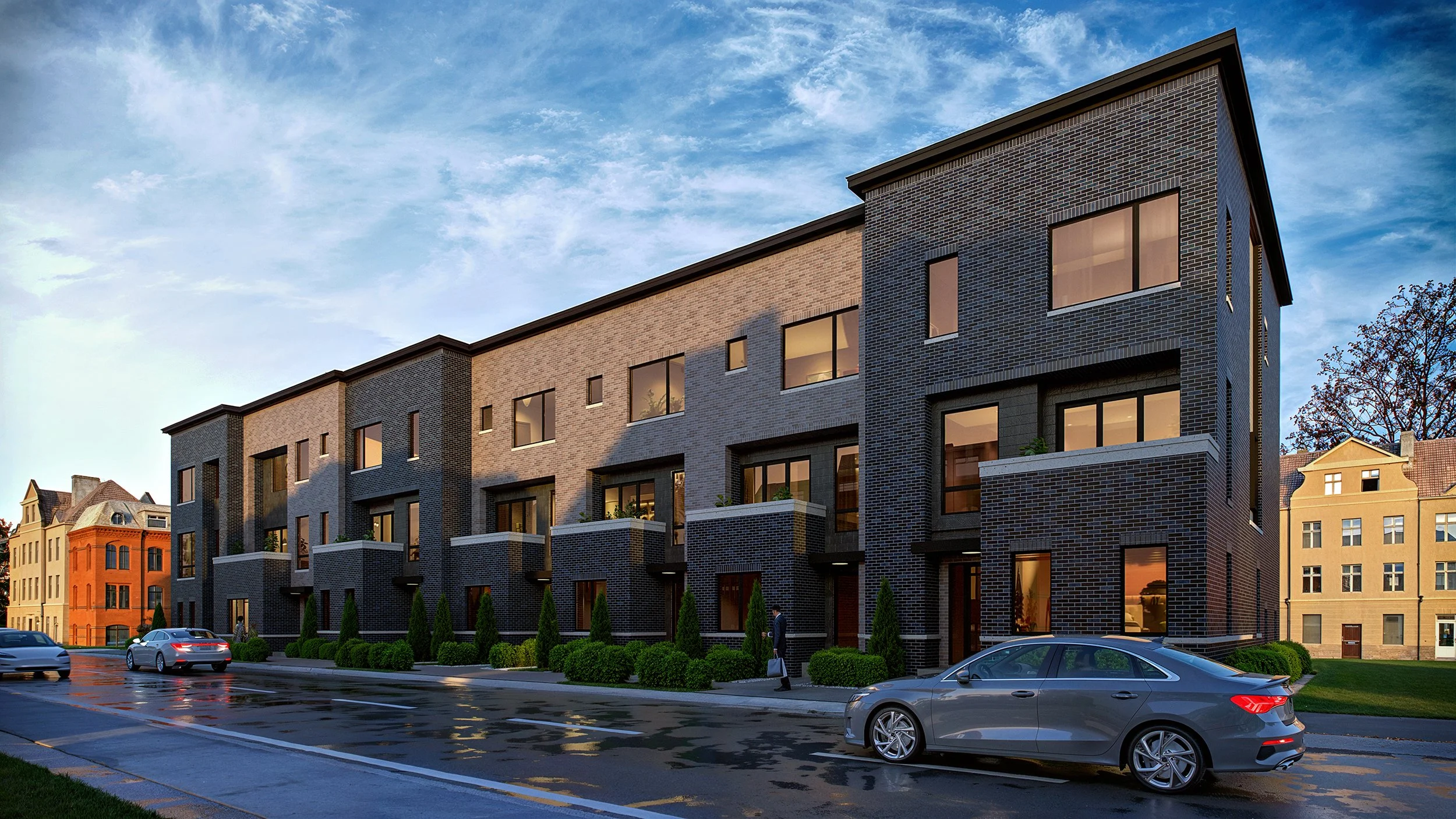
Reflections in Modern Brick - Commercial Rendering

View fullsize Germantown.jpg
View fullsize Germantown-2.jpg

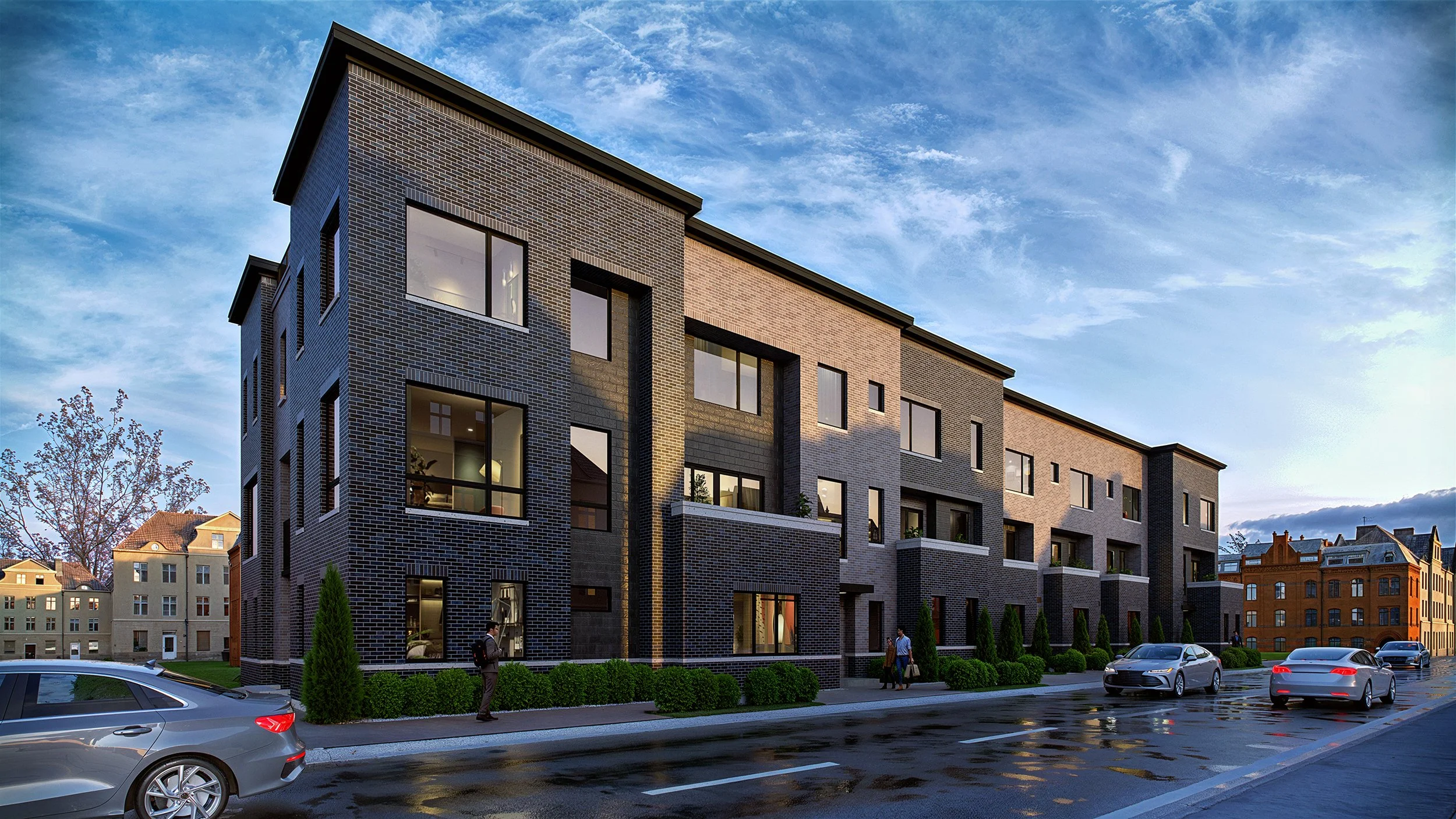
Reflections in Modern Brick rendering capturing a moment of architectural clarity and quiet sophistication, a design approach that values understated elegance and refined simplicity. The carefully structured facade, composed of alternating dark gray and light tan bricks, creates a dynamic visual rhythm that draws the eye across the building's sleek surface. This interplay of tones, combined with the precise geometry of large rectangular windows, highlights a design rooted in balance and intentional simplicity.

Extending beyond the building, the scene seamlessly incorporates a slender stretch of meticulously tended greenery, infusing vitality and softness into the modern setting. The wet pavement below serves as a reflective canvas, mirroring the structure and passing cars with sharp detail, adding depth and a sense of immediacy to the composition. The partly cloudy sky diffuses gentle, natural light that enhances the building's polished lines without overpowering the scene, reinforcing an atmosphere of calm modernity and a sense of unity with the environment.

This image invites viewers to appreciate how architecture can embody both form and function with quiet confidence. It celebrates the harmony found in everyday urban environments, encouraging a fresh perspective and fostering a deep sense of appreciation for the intersection of structure, nature, and the subtle stories told through reflection and light.


source https://bobby-parker.com/architectural-rendering-blog/reflections-in-modern-brick-commercial-rendering

Thursday, September 11, 2025

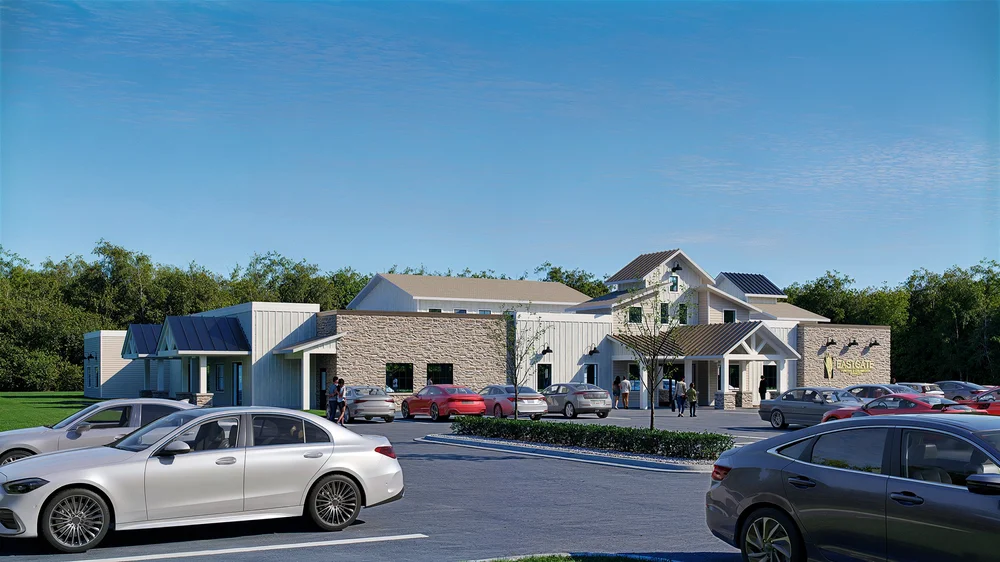
Columns of Calm and Commerce - Funeral Home Rendering

Funeral Home Rendering

Contours of Community Calm presents a thoughtfully composed rendering of a modern commercial building that balances functionality with subtle architectural grace. The interplay of stone and vertical siding creates a tactile contrast, while the mix of flat and pitched roofs adds visual interest and reassures viewers of the building's stability. Neutral hues of beige, white, and grey cultivate a serene atmosphere, inviting viewers to appreciate the structure’s quiet strength without distraction.

Large windows punctuate the facade, capturing light and fostering openness, while the covered porch, supported by sturdy columns, marks a clear and welcoming entrance. The presence of people near the doorway introduces a human scale and gentle activity, reinforcing the sense of this place as an accessible and meaningful part of everyday life. The surrounding parking lot with parked cars grounds the scene in familiarity, emphasizing the building’s role as a vibrant, active hub.

Combining contemporary lines such as clean, straight edges and traditional elements like ornate columns and arches, this work honors the relationship between design and community, illustrating a space where calm and connection coexist seamlessly. It encourages reflection on how architecture shapes experience and supports the rhythms of daily life with both confidence and warmth.


source https://bobby-parker.com/architectural-rendering-blog/columns-of-calm-and-commerce-funeral-home-rendering

Coastal Calm in Beige and White - Exterior Renderings

View fullsize EH82-Front.jpg
View fullsize EH82-Back.jpg

Coastal Calm in Beige and White exterior renderings presents a striking vision of modern coastal living, captured with precise clarity and thoughtful composition. The photograph showcases a two-story home where soft beige siding meets crisp white trim in a harmonious balance that feels both fresh and timeless. The metal roof and multiple windows emphasize clean architectural lines and invite abundant natural light, reinforcing a sense of openness and tranquility.

Set against a vibrant blue sky, the house is embraced by thriving greenery that softens the structure’s edges and connects it seamlessly to its natural surroundings. The elevated front porch and concrete pillars suggest a solid foundation, while the driveway leading to the garages adds a touch of everyday practicality. This image celebrates the quiet confidence of a well-crafted space—inviting, orderly, and at peace within its environment, offering a moment of calm reflection for anyone who encounters it.


source https://bobby-parker.com/architectural-rendering-blog/coastal-calm-in-beige-and-white-exterior-renderings

Wednesday, September 10, 2025

The Power of Picture-Perfect Renderings

Why High-Quality Architectural Renderings Close Deals (and Bad Ones Kill Them)

In real estate and development, you do not get a second chance at a first impression. A high-quality architectural rendering does not just show a project—it sells the dream. For developers, brokers, and architects, it is the difference between sparking excitement and watching interest fizzle.

Low-quality renderings? They are more than just unimpressive. They are deal-breakers. Blurry textures, flat lighting, and awkward proportions scream “unfinished” and leave buyers, investors, and city boards unconvinced. If your visuals look cheap, your project feels cheap—and that is a risk no one should take.

For Developers: Confidence on Demand

Investors want certainty. A sharp, photorealistic rendering makes your project feel real, credible, and worth backing. If the visuals look off, doubts creep in, timelines stretch, and money walks. With our high-quality renderings, you can [specific financial benefit], ensuring a solid return on your investment.

For Brokers: Selling the Lifestyle

You are not just selling square footage—you are selling future living. High-quality renderings let buyers not just see, but feel themselves sipping coffee on the balcony or stepping into a sunlit lobby. Weak visuals? They fall flat and kill the emotional hook.

For Architects: Clarity Without Compromise

Design intent gets lost in translation without powerful visuals. Crisp, atmospheric renderings provide the clarity needed to highlight form, material, and space exactly as imagined. Low-quality ones distort the vision, leaving clients and boards confused—and projects vulnerable.

10 Big Wins of High-Quality Renderings

  1. Secure investors with visuals that radiate credibility.

  2. Fast-track approvals by showing planning boards exactly what is coming.

  3. Drive pre-sales—buyers can fall in love before ground is even broken.

  4. Cut revisions by communicating the design clearly the first time.

  5. Elevate marketing with images that demand attention.

  6. Stand out in crowded markets where everyone is fighting for eyeballs.

  7. Showcase materials & lighting with lifelike realism.

  8. Forge emotional connections that buyers cannot ignore.

  9. Prove scale & context by blending designs seamlessly into the environment.

  10. Protect your reputation—because polished visuals scream professionalism.

Bottom line: high-quality renderings do not just decorate a proposal—they drive results. Developers secure funding, brokers sell properties faster, and architects communicate more clearly. Low-quality renderings? They do not solve problems; they create them.


source https://bobby-parker.com/architectural-rendering-blog/the-power-of-picture-perfect-renderings

Tuesday, September 9, 2025

Steps to Serene Shelter - Tropical House Exterior Renderings

View fullsize water-lily-front.jpg
View fullsize water-lily-back.jpg

Steps to Serene Shelter Tropical House Exterior Renderings presents a quietly powerful image of a home that embodies calm and refuge. The two-story white house, with its sharply pitched metal roof and screened porch, stands as a symbol of comfort and thoughtful design. Its clean lines and perfectly symmetrical windows create a balanced, inviting structure that feels both timeless and approachable. Framed by lush greenery and palm trees, the scene radiates a gentle warmth and a subtle sense of privacy, suggesting a peaceful retreat from the outside world.

The composition directs attention to the meticulously maintained details—the orderly siding, the sturdy staircase, and the soft shadows playing beneath the eaves—each element reinforcing the sense of order and calm. Set against a clear blue sky, the house feels grounded yet open, evoking a feeling of stability paired with quiet optimism. This photograph captures more than just a building; it reflects the universal desire for a serene place to pause, gather strength, and find shelter in moments of stillness.


source https://bobby-parker.com/architectural-rendering-blog/steps-to-serene-shelter-tropical-house-exterior-renderings

Monday, September 8, 2025

Never Lose a Pixel: Backup Strategies for Architectural Visualization

Safeguarding Your Architectural Visualization Work: Smart Saving & Backup Strategies

As an architectural visualization professional, your 3D models, textures, and renderings represent countless hours of creativity and technical precision. Losing them to a hard drive crash or a misplaced file can be devastating. Fortunately, with the right saving and backup strategies, you can safeguard your work and ensure peace of mind.

Save Early, Save Often

The golden rule of digital work is to save frequently. Many 3D software packages, such as 3ds Max, Blender, or SketchUp, include autosave features—make sure they are enabled. Customize the autosave intervals to suit your workflow (every 5–10 minutes is a good benchmark). Additionally, develop the habit of saving manually at key milestones, so you always have a reliable version to return to, providing a sense of security and relief.

Use Incremental Versions

Instead of overwriting the same file, save incremental versions of your projects (e.g., ProjectName_v01, ProjectName_v02). This practice helps you roll back to an earlier stage if a model becomes corrupted or a design direction needs revisiting. While it may take up more space, the security it provides is invaluable, giving you a sense of reassurance.

External Hard Drives

Local backups remain one of the most practical solutions. Invest in a high-capacity external hard drive dedicated to project storage. Schedule regular backups at the end of each day or week, depending on project intensity. For extra protection, consider using two drives and rotating them, so one is always stored separately from your workstation.

Cloud Storage for Flexibility

Cloud services such as Google Drive, Dropbox, or OneDrive provide additional layers of security and accessibility. Uploading your work to the cloud ensures you can retrieve it from anywhere, and many services include version history to recover older files. For larger projects, consider specialized services like Autodesk Drive or dedicated NAS (Network Attached Storage) with cloud sync.

Automate Your Backups

Manual backups are easy to forget, especially when deadlines loom. Automated backup software—like Acronis True Image, Backblaze, or even built-in tools such as Windows File History—ensures your work is consistently protected without interrupting your workflow.

Test Your Backups

A backup is only valuable if it works. Periodically test your backup files to confirm they open properly and contain the data you expect. This simple step can save you from unpleasant surprises when you need your files most. Remember, a backup is not a backup until it has been tested.

Final Thoughts

Your architectural visualization work is both art and an asset. Please treat it with the same level of care as the buildings and spaces it represents, respecting the effort and creativity you put into it. By combining local storage, cloud solutions, and automation, you will protect your creations and keep your focus where it belongs—on bringing visions


source https://bobby-parker.com/architectural-rendering-blog/never-lose-a-pixel-backup-strategies-for-architectural-visualization

Friday, September 5, 2025

Murmurs Through the Palette - Interior Renderings

View fullsize 954 (1).png
View fullsize 954 (2).png
View fullsize 954 (3).png
View fullsize 954 (4).png
View fullsize 954 (5).png
View fullsize 954 (6).png

Murmurs Through the Palette interior renderings invites the viewer into a vibrant interplay of color and form, where vertical stripes in varied hues pulse with a quiet, yet intriguing energy. The irregular bands—ranging from soft yellows and fresh greens to muted pinks, deep purples, and crisp whites—create a rhythm that feels both deliberate and spontaneous, sparking curiosity. The edges of each stripe blur gently, suggesting layers of paint built up and intertwined, which encourages a closer look to uncover the subtle textures beneath the surface.

This piece balances structure and fluidity, combining geometric repetition with an organic softness that breathes life into the composition. Through its careful use of light and gentle contrasts, the artwork fosters a sense of captivating harmony and dynamic movement, inviting reflection and deep involvement. It captures a dynamic moment where color speaks softly yet confidently, offering a visual experience that is as captivating as it is thought-provoking.


source https://bobby-parker.com/architectural-rendering-blog/murmurs-through-the-palette-interior-renderings

Thursday, September 4, 2025

Awnings and Ambiance Retail Exterior Rendering

Awnings and Ambiance Retail Exterior Rendering

Awnings and Ambiance presents a vibrant snapshot of everyday life centered around a modest yet inviting shopping plaza. The carefully rendered scene draws attention to the clean lines and warm tones of the beige brick buildings, where large glass windows and doors invite daylight to animate the interiors beneath colorful awnings. Clear, bold signage marks each business with straightforward confidence, establishing an accessible and familiar environment, welcoming you to explore and experience.In the foreground, the outdoor seating area is alive with movement and connection—people gather around tables under umbrellas, sharing moments that bring warmth and community to this modern commercial setting. Nearby, parked cars rest naturally, grounding the scene in reality and enhancing its relatable quality, making you feel a part of this vibrant community. Above, a bright blue sky speckled with soft clouds casts a sunny glow, reinforcing the feeling of openness and calm energy. This artwork captures the subtle harmony between architecture and daily life, celebrating how ordinary spaces can foster inviting, uplifting experiences.


source https://bobby-parker.com/architectural-rendering-blog/awnings-and-ambiance-retail-exterior-rendering

Tuesday, September 2, 2025

10 Reasons AI Won’t Replace Architectural Renderings Anytime Soon

AI tools are advancing rapidly, yet in the realm of architecture and design visualization, the unique skills, precision, and artistry of a professional renderer are irreplaceable.

Here are the Top 10 reasons why architectural renderings remain the gold standard:

1. Accuracy Over Approximation

AI generates patterns, not precise measurements. Architects and clients need real-world accuracy, not guesswork.

2. Material Realism

From polished marble to brushed concrete, renderings crafted by humans capture the actual behavior of materials.

3. Architectural Intent

A rendering is more than a picture—it is a communication tool. Professionals ensure the design’s purpose shines through.

4. Regulatory & Technical Context

AI does not know zoning rules, building codes, or feasibility. Humans do.

5. Emotional Storytelling

A masterful rendering weaves a narrative: the warmth of sunlight, the drama of space, and the human experience, engaging the viewer in a compelling story.

6. Customization & Control

Clients demand detail—down to the window frame or a single tree shadow. Artists deliver; AI cannot keep up.

7. Integration With BIM & CAD

Professional renderings pull directly from CAD/BIM models, ensuring build accuracy. AI works in isolation.

8. Stakeholder Trust

Investors and city planners trust renderings that are technically sound—not just visually striking.

9. Creative Partnership

Renderers collaborate with architects, creating solutions and elevating designs.

10. The Human Touch

Excellent visualization blends artistry, culture, and intuition. AI imitates, but it cannot truly create.

Final Word:

AI is undoubtedly a potent tool, yet it cannot replicate the craftsmanship, precision, and artistry that underpin architectural renderings. This reaffirms the value of choosing human-rendered visuals for your architectural projects.

📌 If you are ready to bring your project to life with visuals that inspire trust and emotion, let us talk.


source https://bobby-parker.com/architectural-rendering-blog/10-reasons-ai-wont-replace-architectural-renderings-anytime-soon

Monday, September 1, 2025

Framed Tranquility in Modern Hue - Exterior Renderings

View fullsize 6-Lamb-Front.jpg
View fullsize 6-Lamb-Back.jpg

Framed Tranquility in Modern Hue exterior renderings captures a refined blend of contemporary design and peaceful ambiance. The two-story residence stands with crisp symmetry, its light gray shingles providing a soft, textured surface that contrasts sharply with the dark-framed rectangular windows. These windows punctuate the façade with rhythm and depth, inviting light to fill the interior while framing views outward. A centered double glass door, sheltered beneath a modest gabled roof, marks the entrance with quiet elegance, flanked by vibrant potted plants that introduce subtle bursts of life and color.

The scene extends beyond the structure itself—neatly trimmed greenery and mature trees define the boundary between home and nature, creating a calm, inviting setting. The gravel driveway leads gently toward the house, grounding the composition in an everyday sense of order and care, providing a sense of security and comfort. Above, a clear blue sky completes the tableau, emphasizing the stillness and balance of the moment. This artwork celebrates architectural simplicity and thoughtful detail, inviting viewers to experience a sense of calm confidence and a serene welcome within a modern living space.


source https://bobby-parker.com/architectural-rendering-blog/framed-tranquility-in-modern-hue-exterior-renderings