Tuesday, January 27, 2026

Building Your Dream on a Single Level: The Appeal of the Classic Ranch

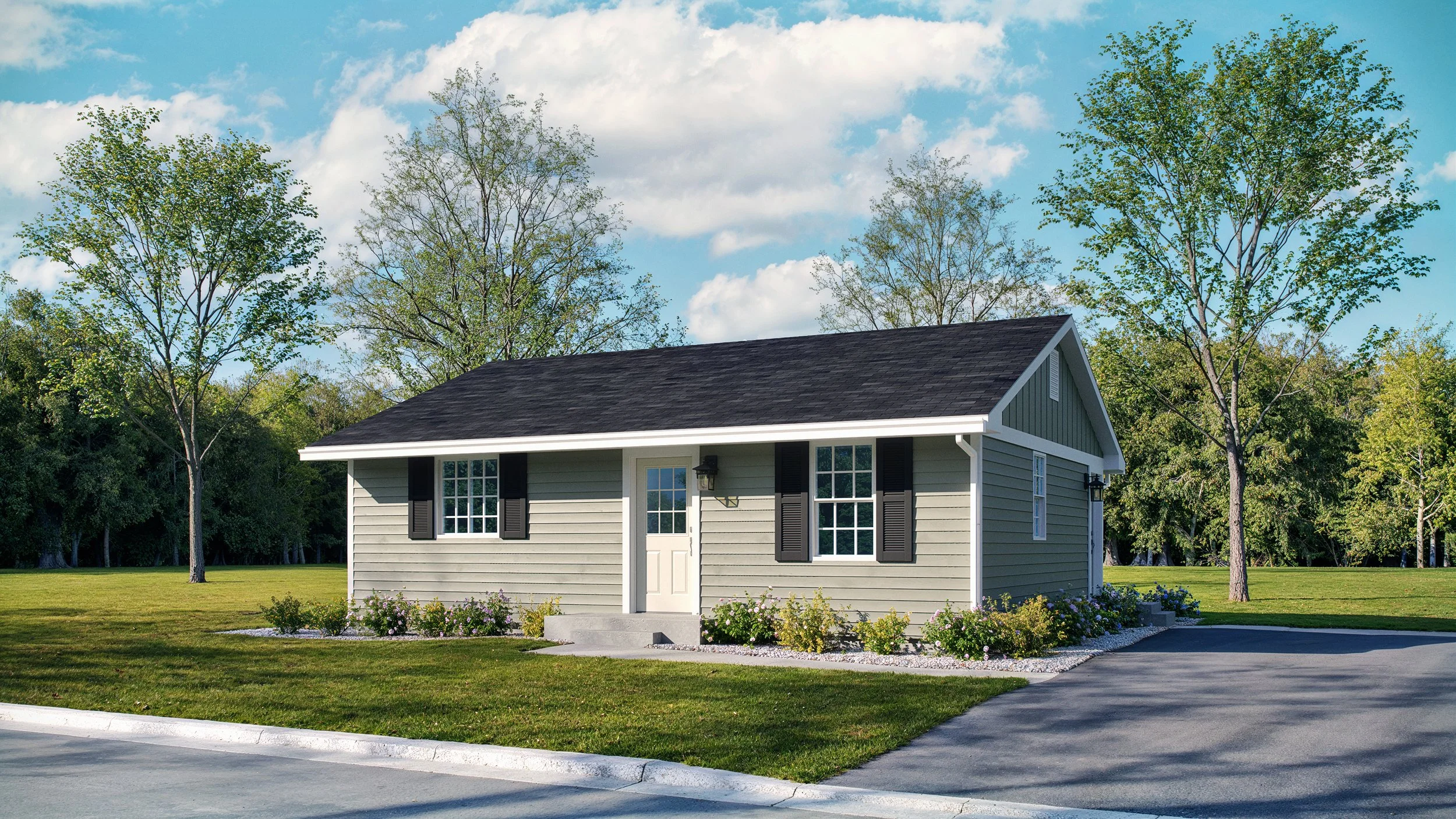
View fullsize 001D-0088 - front.jpg
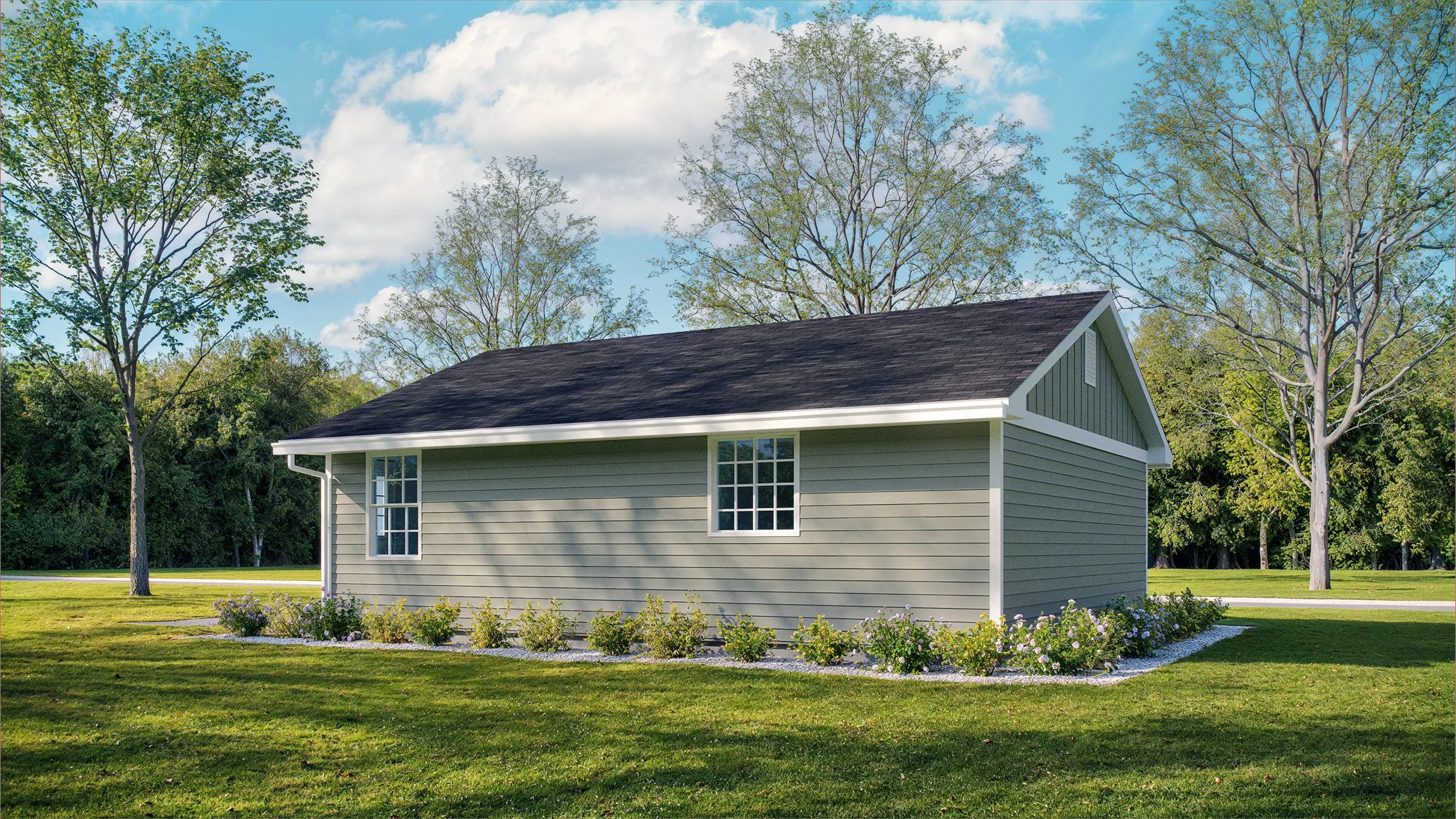
View fullsize 001D-0088 - back.jpg

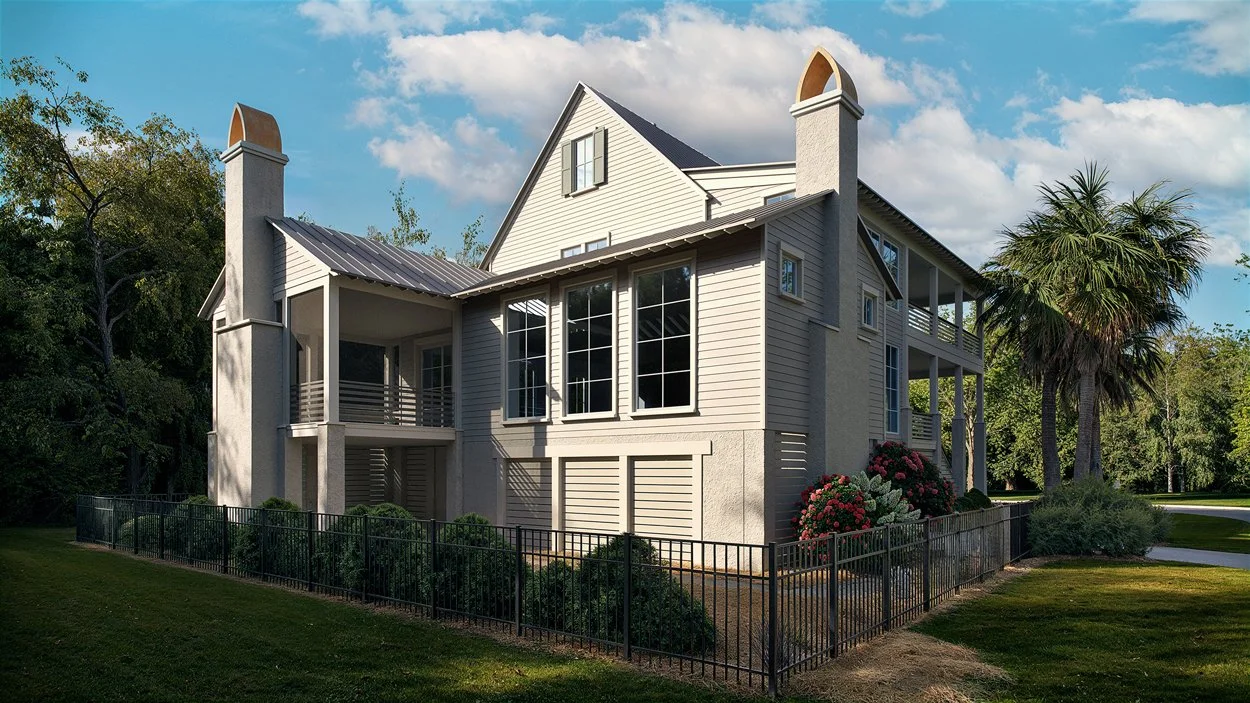
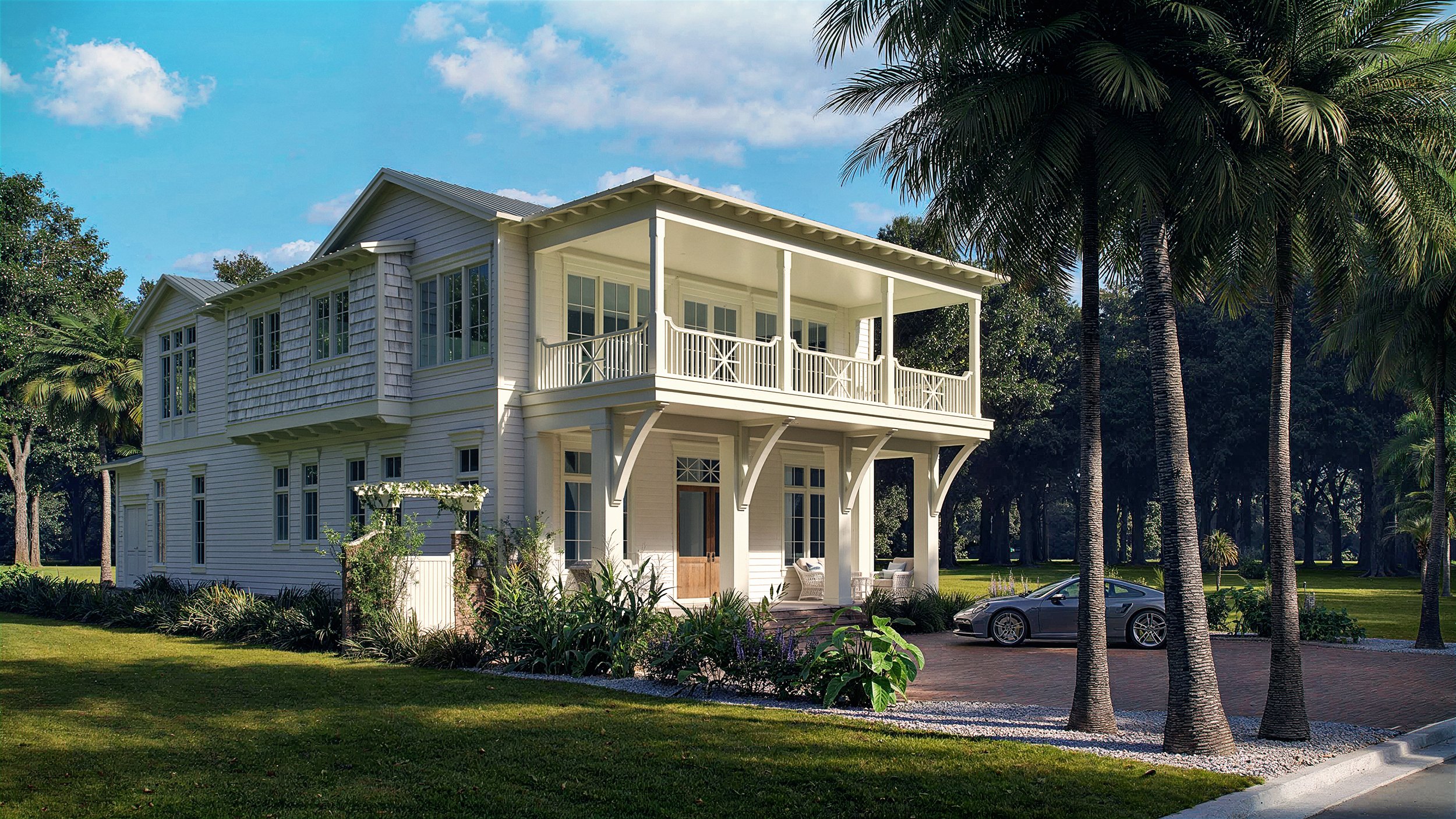
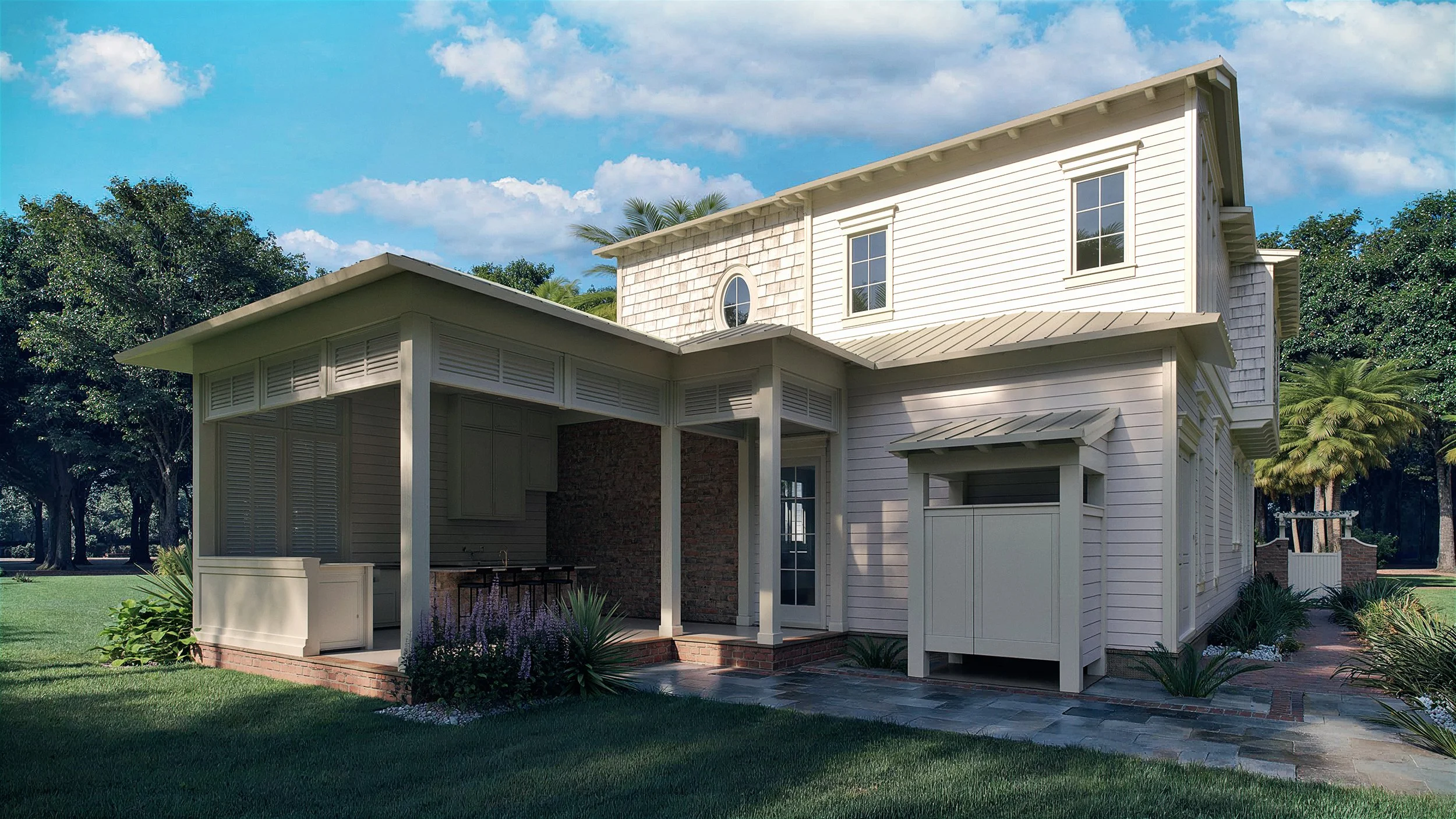
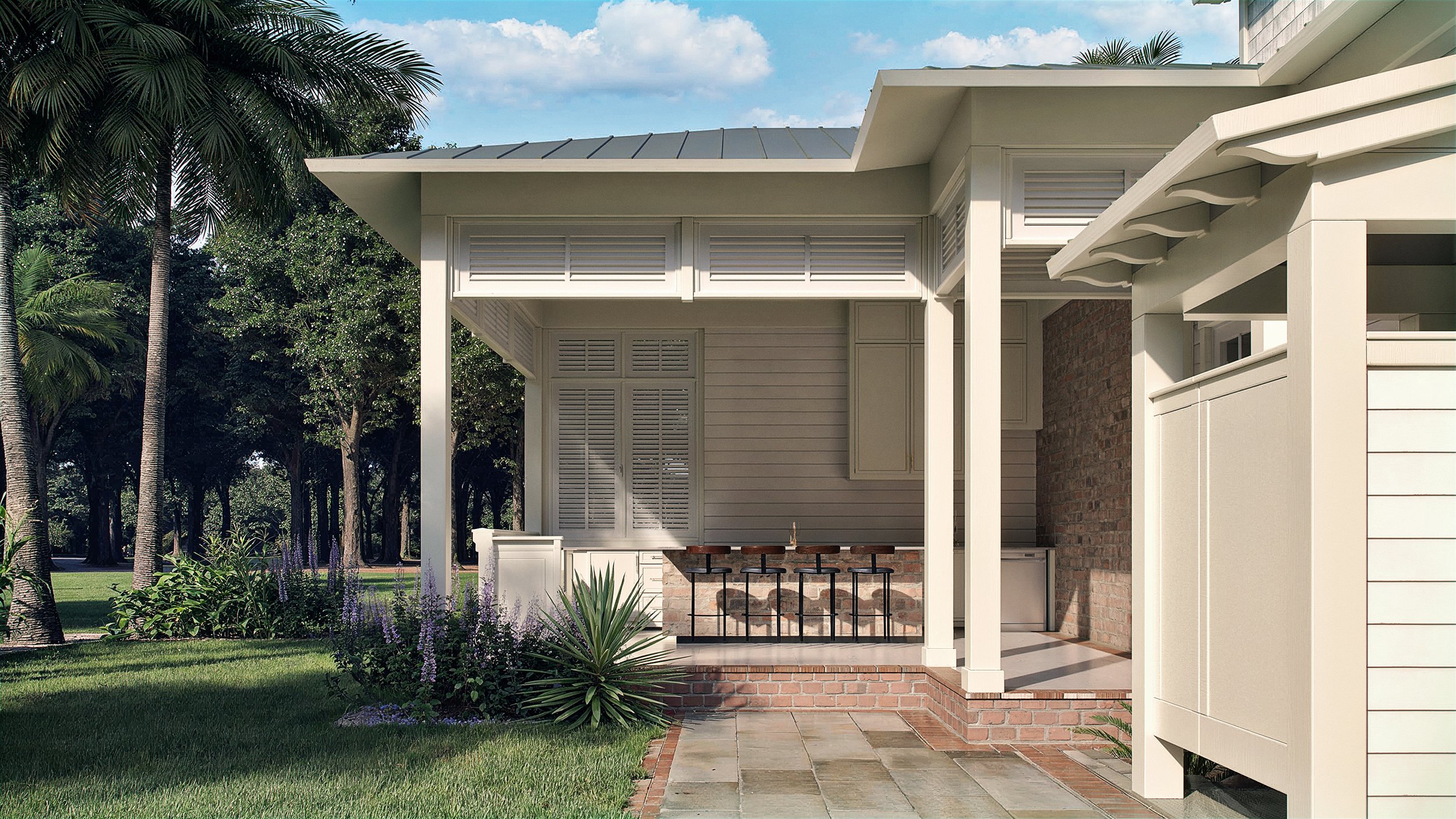
The enduring charm of the ranch-style home is a cornerstone of American residential architecture, offering a blend of simplicity, comfort, and functionality that appeals to homeowners across generations. At Menards® Building Supplies, we understand the timeless appeal of this design and offer a variety of high-quality, stock house plans that make building your dream, single-level home an achievable reality. The rendering you see here is a perfect example of such a plan, showcasing the efficient, accessible living space that defines the style.

Accessibility and Ease of Living for Every Stage of Life

One of the most significant benefits of a ranch home is its single-story layout, which is ideal for anyone planning to "age in place" or those with limited mobility. The absence of stairs not only creates a safer, more accessible living environment for young families and retirees alike, but also simplifies everyday tasks like moving furniture or carrying in groceries. This thoughtful design promotes a seamless flow throughout the home, ensuring that every square foot is usable and comfortable.

Efficient Design Meets Indoor-Outdoor Connection

Ranch plans are renowned for their open-concept floor plans that maximize space and natural light, making the interior feel much larger than its actual square footage might suggest. Large windows and direct access to outdoor spaces via patios or porches seamlessly blend indoor and outdoor living, perfect for entertaining guests or simply enjoying a quiet morning coffee.

Beyond comfort, these homes are built with efficiency in mind. The straightforward structure typically results in lower heating and cooling costs and simpler maintenance requirements compared to multi-story homes. From gutter cleaning to painting, exterior upkeep becomes less of a chore, freeing up your valuable time for more enjoyable pursuits.

Build with Confidence Using Menards® Building Supplies

When you choose a stock plan from a designer available through Menards®, you gain access to an accurate material list and the extensive inventory of building materials needed to bring this vision to life. From lumber and roofing to siding and interior finishes, we are a preferred source for builders and DIY enthusiasts due to our comprehensive selection and competitive pricing.

Whether you are a seasoned builder or tackling your first home project, the classic, adaptable design of a ranch home offers endless possibilities for customization and expansion. It is a smart investment with great resale value, offering a beautiful, low-maintenance lifestyle for years to come. Explore the possibilities and start building your future today with a reliable, timeless ranch home plan.


source https://bobby-parker.com/architectural-rendering-blog/po920h51jlnl6twdqivj842jbs7obu

Experience Luxury Before It's Built: Stunning Architectural Rendering of a Modern Mountain Home

View fullsize elevator.jpg
View fullsize fireplace.jpg

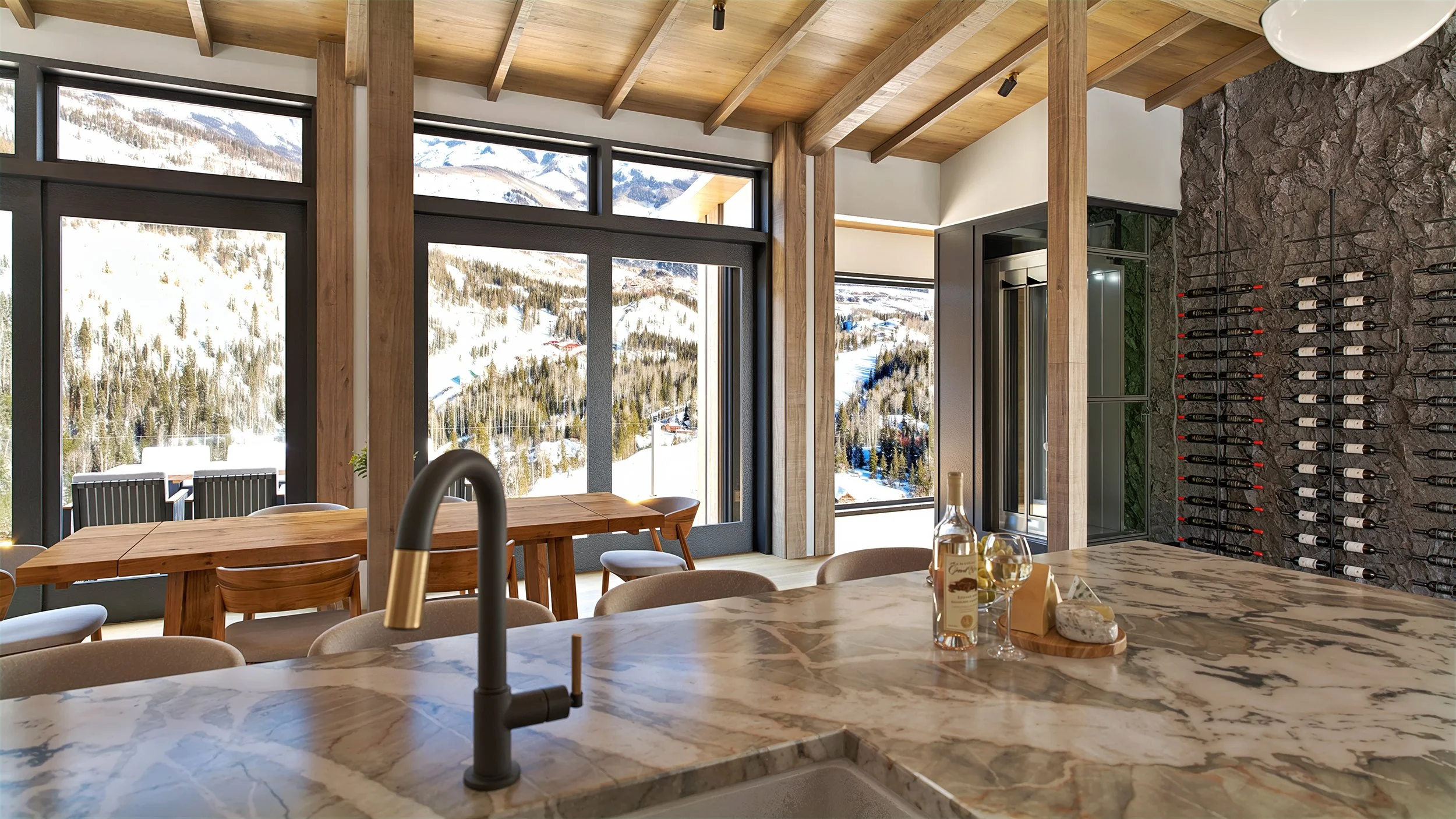
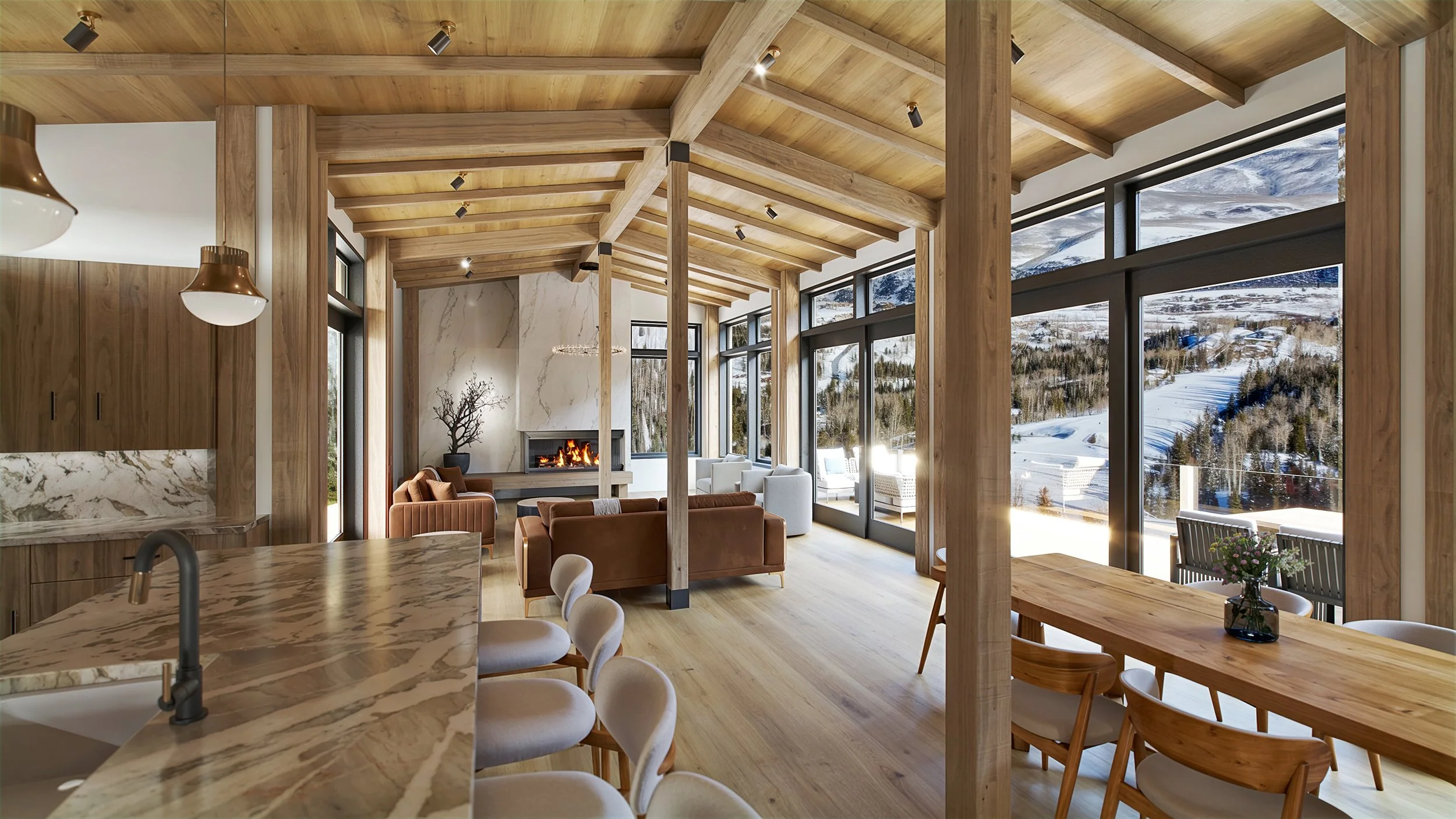
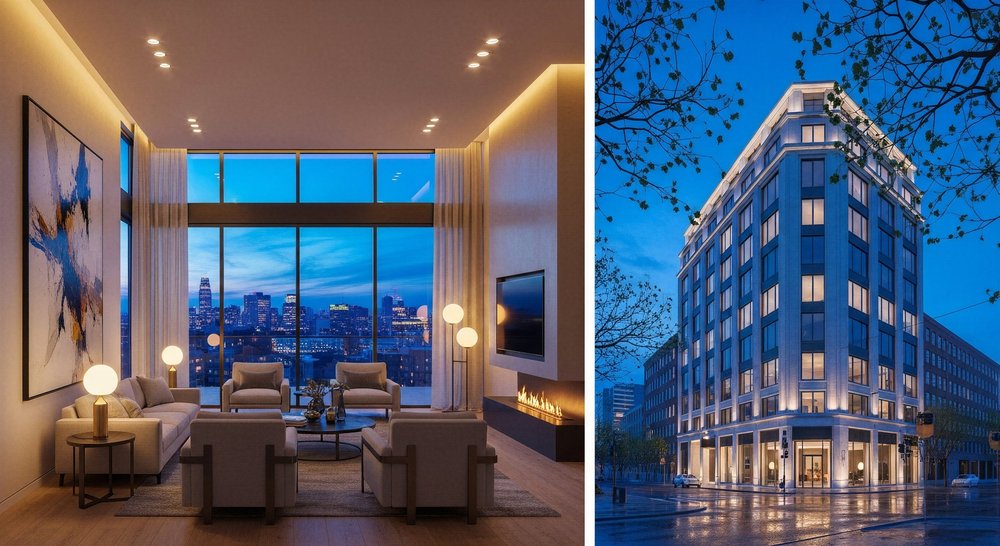
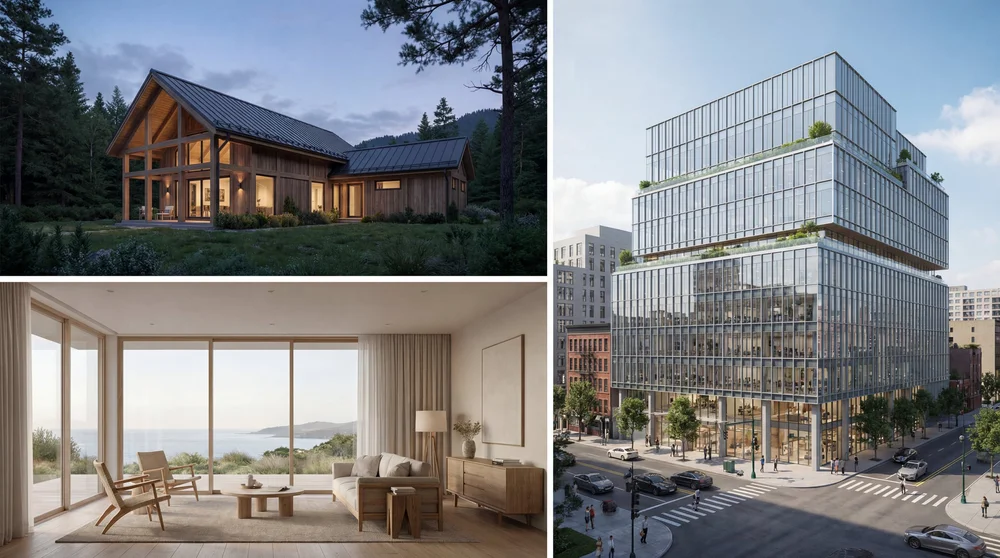
These images are high-quality, photorealistic architectural renderings designed to provide a comprehensive, emotionally appealing visualization of a luxury mountain-modern living space.

Composition

The renderings use professional composition techniques, likely employing the rule of thirds and eye-level camera angles to create an immersive, human-centric perspective. The wide, floor-to-ceiling windows act as a powerful focal point, framing the stunning, snow-covered mountain views and integrating the natural surroundings into the interior experience. The open-plan layout is clearly communicated, with leading lines from the kitchen island, dining table, and exposed ceiling beams guiding the viewer's eye through the space and toward the exterior vista.

Lighting

Lighting is a key strength, skillfully balanced between abundant natural light and warm, layered artificial illumination.

  • Natural Light: Sunlight streams through the large windows, creating depth and highlighting textures, a key feature in mountain properties that emphasizes views.

  • Artificial Light: A mix of recessed spotlights, pendant lights over the kitchen island and dining table, and firelight from the hearth creates a warm, inviting atmosphere and ensures the space remains cozy and functional at all times of day. The lighting choices effectively convey a sense of comfort and luxury, appealing to the target buyer's emotions.

Detail

The level of detail is meticulous, enhancing realism and justifying a high property value. Key features include:

  • Materials & Textures: High-resolution, physically based rendering (PBR) materials are used for the various wood grains, the veined stone of the fireplace and countertops, and the different fabrics of the furniture. Subtle imperfections and varied gloss levels on surfaces prevent a "plasticky" look.

  • Staging: The space is thoughtfully staged with appealing furniture, decor, and small, realistic touches (like items on the kitchen counter or dining table) that help potential buyers imagine themselves living there.

How These Renderings Help Sell the Unit

These professional renderings are powerful marketing tools that significantly boost sales potential by:

  • Evoking Emotion & Lifestyle: They don't just show a room; they tell a story of a luxurious, comfortable mountain retreat, allowing buyers to form an emotional connection and visualize a desired lifestyle before construction is even complete.

  • Enhancing Understanding: The photorealistic detail and clear composition eliminate the need for buyers to interpret complex blueprints, giving them a clear, confident understanding of the final product and layout.

  • Standing Out: High-quality visuals make listings pop online and in print, attracting more interest and differentiating the property from competitors who use lower-quality media.

  • Justifying Price: The clear depiction of high-end materials, unique architecture, and stunning location helps justify a premium price point, as buyers can clearly see the value of the investment.

These stunning visuals not only inform but also inspire, making the sales process smoother and faster.


source https://bobby-parker.com/architectural-rendering-blog/experience-luxury-before-its-built-stunning-architectural-rendering-of-a-modern-mountain-home

Friday, January 23, 2026

Mastering Realism: The Essential Role of Lighting and Shadows in Architectural Rendering

View fullsize front.jpg
View fullsize back.jpg

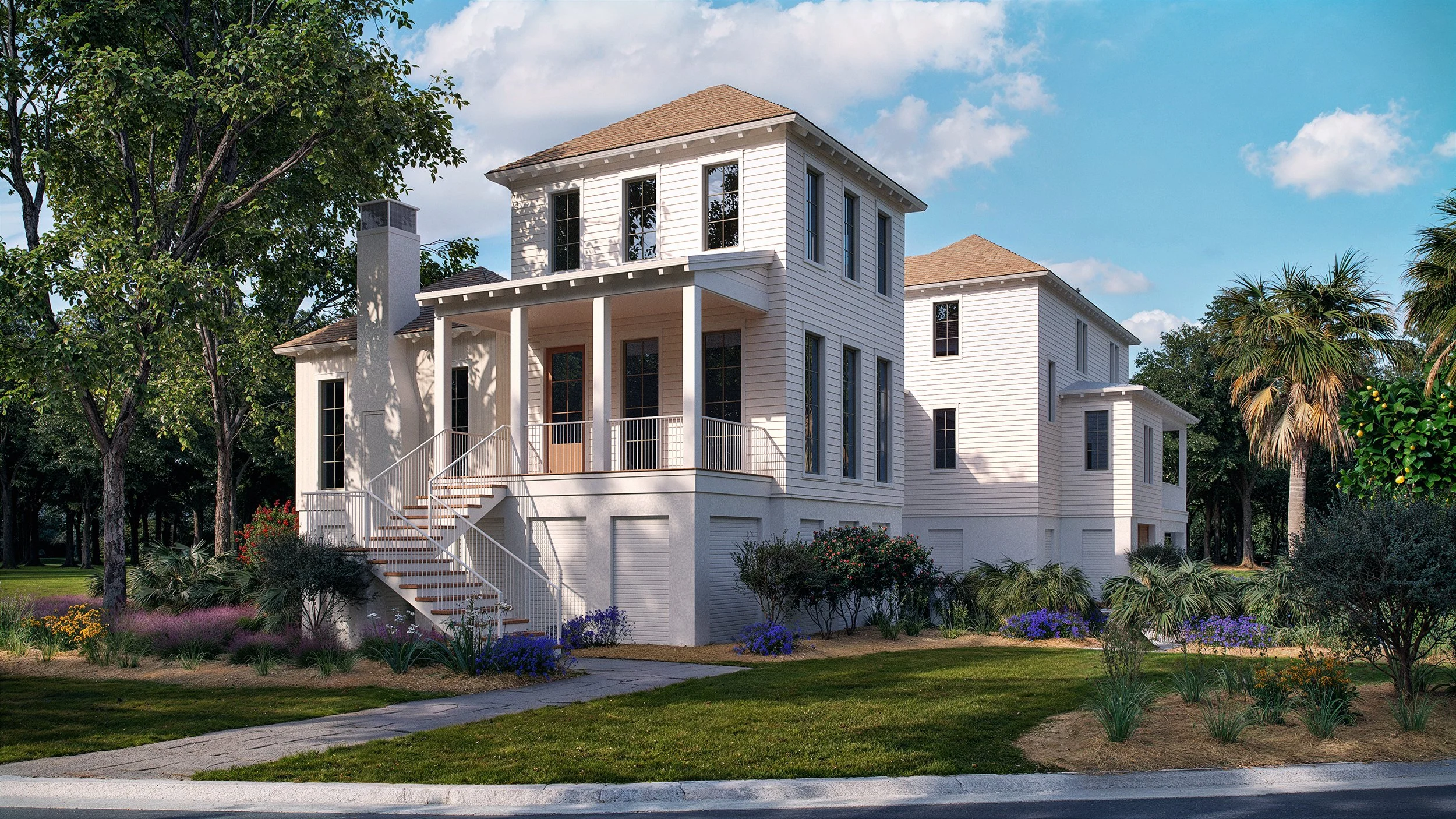
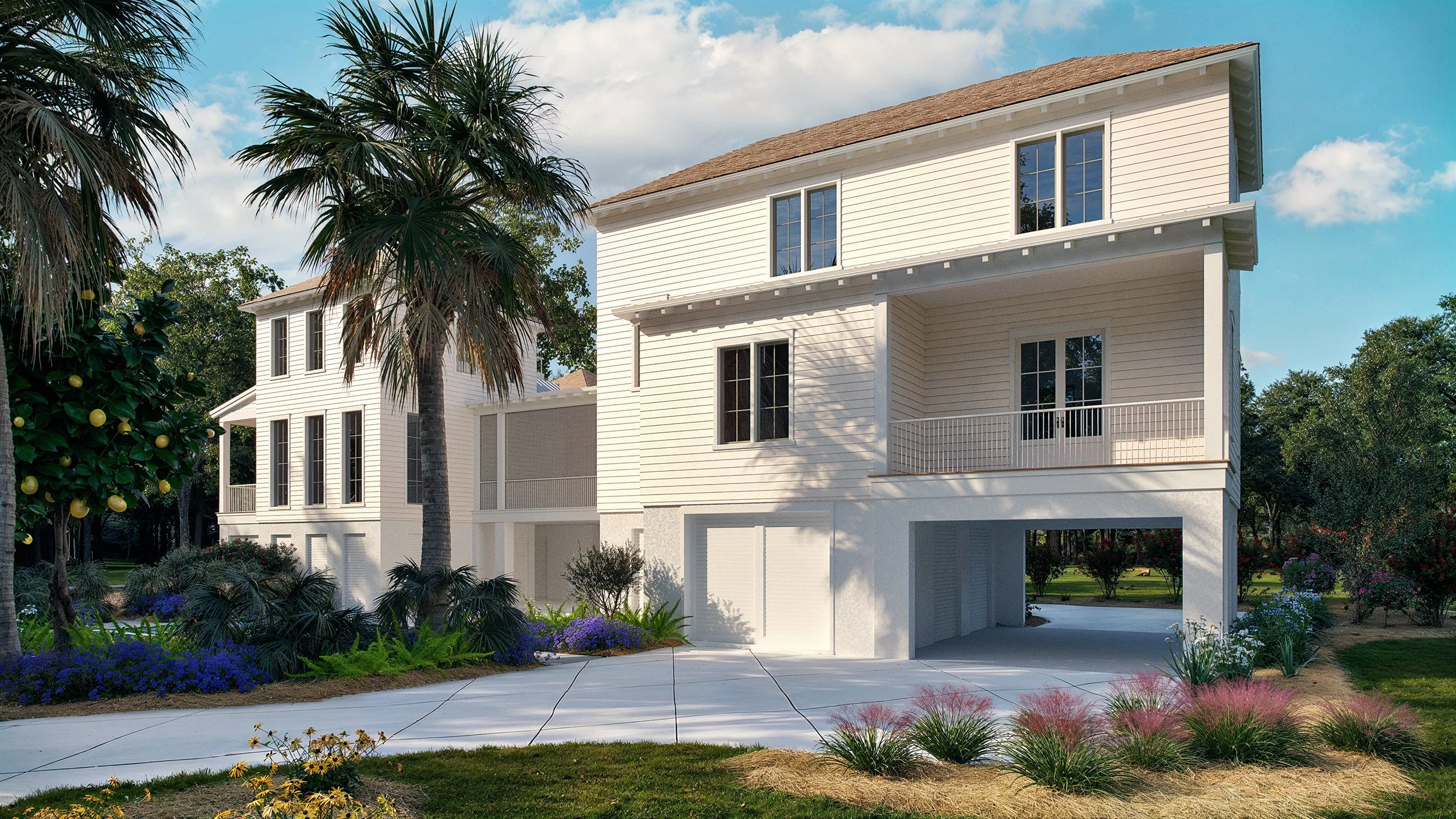
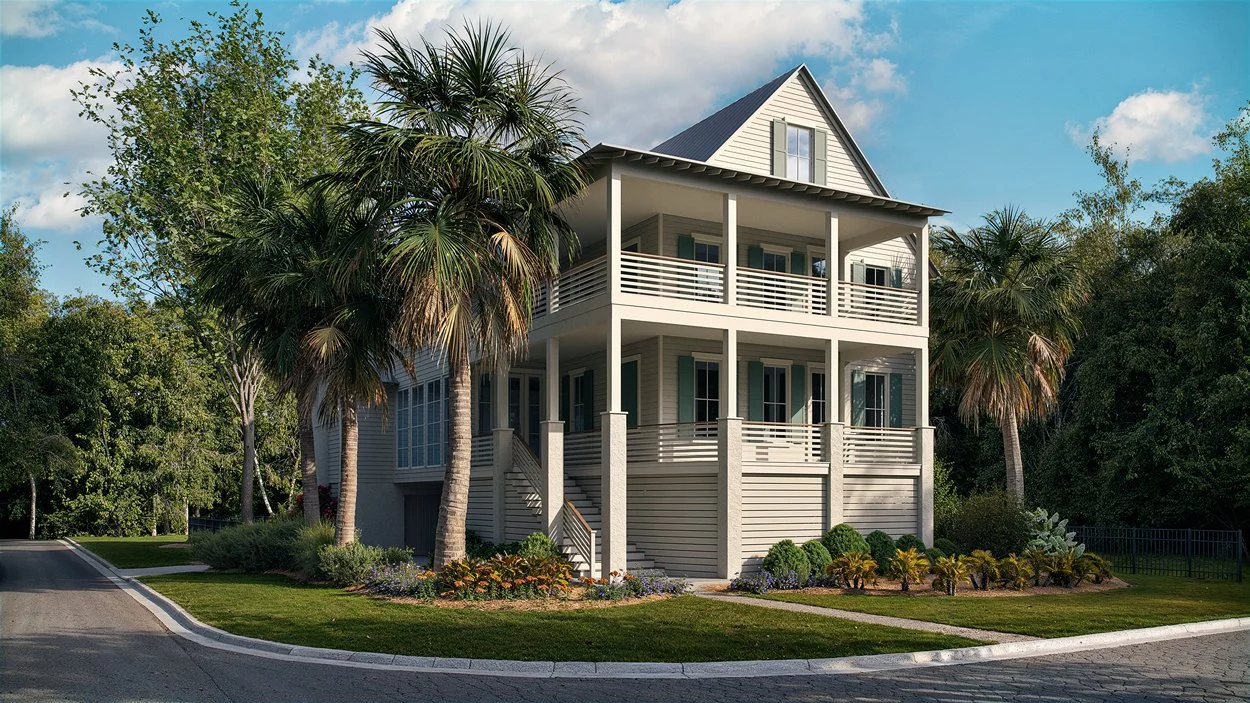
This striking architectural rendering presents a compelling vision of coastal living, defined by its elegant Lowcountry design and skillful application of digital artistry. The image is a masterclass in composition, lighting, and shadows, creating depth, realism, and a sense of inviting warmth.

The Artful Composition

The composition immediately draws the eye with a balanced, yet dynamic, presentation. The main structure, with its prominent two-story porch and crisp white board-and-batten siding, is centrally framed. The diagonal line of the front staircase acts as a strong leading line, guiding the viewer's gaze from the foreground to the main entrance. A secondary structure in the background adds depth and dimension, preventing the image from feeling flat. The surrounding landscape, rich with lush greenery, trees, and palm fronds common to areas like Johns Island, SC, perfectly frames the architecture, creating a harmonious balance between the built environment and nature. The visual interest is further enhanced by the two-car garage on the lower level, a practical, yet seamlessly integrated, design element.

The Play of Light

The lighting in this rendering is exceptionally well-executed, simulating the bright, direct sunlight of a clear day. The primary light source comes from the front and slightly to the right, highlighting the bright white façade and creating a clean, inviting look. This intense directional light accentuates the texture of the vertical siding and the subtle details of the porch railings and columns. The blue sky with scattered white clouds provides a vibrant, natural backdrop, typical of the sunny weather found in the South Carolina region, where similar homes are often located. The light creates a sense of optimism and highlights the property's potential for outdoor enjoyment and relaxed living.

Depth and Realism Through Shadows

The use of shadows is arguably the most critical element in giving this 2D rendering its impressive three-dimensional realism. The porch overhangs, the roofline, the columns, and the lush foliage cast sharp, well-defined shadows. These shadows not only indicate the time of day—likely mid-morning or early afternoon—but they also define the structure's form and volume.

For instance, the deep shadow beneath the central second-story porch adds significant depth, making the space feel tangible and sheltered. Shadows from the trees dapple across the white walls and the front lawn, breaking up the bright surfaces and adding a natural, organic feel to the scene. The contrast between the sunlit areas and the cool, shaded spots makes the image pop and convincingly suggests the structure is grounded in a real, sun-drenched environment. The result is a highly effective, aspirational image that beautifully showcases the home's design and character.


source https://bobby-parker.com/architectural-rendering-blog/mastering-realism-the-essential-role-of-lighting-and-shadows-in-architectural-rendering

Thursday, January 22, 2026

High-Quality 3D Renderings: Why Authentic Craft Matters More Than Ever in 2026

In a world of infinite scrolling, your project has roughly 1.5 seconds to capture a stranger's attention. Today, the digital landscape is saturated with "internet noise"—generic, low-effort visuals that the human eye has learned to filter out like static. If your renderings don't force a thumb to stop, your design effectively doesn't exist.

The rise of AI-generated imagery has only complicated this. While AI is a powerful tool, the market is currently experiencing "AI fatigue." People are beginning to cringe at the tell-tale signs of unedited machine output: the surrealist physics, the uncanny valley lighting, and that hyper-saturated "plastic" sheen. When every feed is flooded with these shortcuts, they cease to be impressive; they become visual clutter.

True rendering success doesn't come from a "generate" button. To stand out in 2026, a rendering must possess a soul—a sense of atmosphere and intentionality that resonates on an emotional level. This is where my service bridges the gap. I provide high-quality renderings that make a definitive statement without the hollow hype. My goal isn't just to show a space, but to tell its story through precise light, authentic textures, and a composition that feels grounded in reality.

There are no shortcuts to this level of impact. To move beyond the noise, you need a combination of three things: hard work, seasoned skill, and a commitment to craft.

  • Hard Work: Every shadow and reflection is meticulously calculated to ensure the scene feels lived-in and believable.

  • Skill: Understanding architectural nuances and interior design principles ensures the rendering honors the integrity of your original vision.

  • Craft: This is the human element—the artistic eye that knows when a scene needs a subtle imperfection to feel "real" or a specific temperature of light to evoke a mood.

In an era where everyone is trying to move faster, moving better is the ultimate competitive advantage. When you choose a bespoke rendering service over generic alternatives, you aren't just buying an image; you are purchasing the ability to command attention.

Stop contributing to the noise. Give your audience something that makes them pause, look closer, and remember your work. For high-impact visuals tailored to your project, explore my portfolio or contact me directly to discuss your next masterpiece.


source https://bobby-parker.com/architectural-rendering-blog/high-quality-3d-renderings-why-authentic-craft-matters-more-than-ever-in-2026

Tuesday, January 20, 2026

From Quiet to Booked: How Updated Renderings Can Revitalize Your Architectural Portfolio

When business slows down, the instinct for many firm principals is to tighten the belt and wait for the phone to ring. However, these "quiet periods" are actually your most valuable strategic assets. Instead of viewing a light project load as a setback, treat it as a dedicated production window to refine your brand's visual narrative.

The most effective "low-hanging fruit" during a lull is updating your architectural renderings. While deep-cleaning your CRM or reorganizing your server is productive, neither directly wins new business. High-quality, updated imagery does. Here is why refreshing your visuals provides the biggest bang for your buck during a slowdown.

1. Technology Moves Faster Than Your Backlog

If your firm's portfolio features renderings that are even three years old, they likely look dated. Rendering software such as V-Ray has evolved rapidly, offering levels of realism previously impossible. By taking an existing project model and re-rendering it with 2026's lighting, textures, and assets, you instantly elevate the perceived quality of your work without the cost of a new design phase.

2. Control the Narrative

During busy seasons, you often settle for "good enough" visuals to meet a client's deadline. When business is slow, you have the luxury of time to curate "hero shots." You can experiment with dramatic lighting, seasonal variations, or interior staging that speaks specifically to the types of clients you want to attract next. This is your chance to pivot; if you want more luxury residential work, update your renderings to reflect that specific aesthetic.

3. Fuel Your Marketing Engine

Marketing requires constant "fuel" in the form of content. Updated renderings provide immediate material for:

Social Media: High-resolution visuals outperform text-heavy posts.

Website Updates: A fresh hero image on your homepage signals that your firm is active and modern.

Pitch Decks: New visuals give your business development team a reason to reach out to old leads with a "look at what we're working on" update.

4. Low Effort, High Conversion

Unlike a complete website rebrand or a multi-month SEO campaign, updating a rendering is a contained task. It utilizes your existing BIM models and internal talent (or a short-term freelance contract). It is a high-impact move that bridges the gap between your current lull and your next major contract.

Don't wait for the next boom to start looking like a top-tier firm. Use the current quote to ensure that when a potential client visits your site, they see a portfolio that looks like the future of the industry.


source https://bobby-parker.com/architectural-rendering-blog/from-quiet-to-booked-how-updated-renderings-can-revitalize-your-architectural-portfolio

Saturday, January 17, 2026

Do high-quality renderings sell houses more than average-quality renderings?

Yes, high-quality, photorealistic 3D renderings sell houses more effectively and faster than average-quality or basic 2D floor plans. High-quality renderings create an emotional connection, build trust, and allow buyers to visualize a future lifestyle, leading to higher engagement and faster sales, particularly for off-plan or vacant properties. 

Key Impacts of High-Quality Renderings on Sales:

  • Faster Sales: Properties marketed with high-quality 3D renderings sell up to 20–31% faster than those with average renderings.

  • Higher Sale Prices: Homes with high-quality renderings can achieve average price increases of 6–10% compared to those with average renderings.

  • Increased Engagement: Listings with high-quality 3D renderings attract up to 87% more views and 40% more inquiries than average quality renderings.

  • Pre-construction Success: High-quality renderings are essential for selling properties before construction, with some projects selling 85% of units within three months using detailed, immersive 3D, 360-degree tours.

  • Reduced Unnecessary Showings: By providing a clear, accurate, and detailed view of the property, high-quality renders help filter for serious buyers, with 54% of buyers refusing to visit in person until they have seen a virtual tour. 

Why High-Quality Renders Outperform Average Ones:

  • Emotional Connection: Unlike average, sterile images, high-quality, photorealistic images convey a "dream home" atmosphere, allowing buyers to feel immersed in the space.

  • Trust and Accuracy: High-quality renderings accurately simulate lighting, textures, and materials, reducing uncertainty and building trust in the final, unbuilt product.

  • Contextualization: They can display the property during the "golden hour" or twilight, offering a more enticing, polished presentation than a simple, functional, or low-quality rendering.

  • Virtual Staging Superiority: While average renderings might just show an empty room, high-quality virtual staging can reveal potential, making it 73% faster to sell and often resulting in a 5–20% higher price point. 

ROI on High-Quality Renderings:
While high-quality rendering is a higher initial investment, it often provides a superior return on investment (ROI).


source https://bobby-parker.com/architectural-rendering-blog/do-high-quality-renderings-sell-houses-more-than-average-quality-renderings

Thursday, January 15, 2026

The Future of ArchViz: Cutting-Edge Tech Redefining 2026

The architectural visualization (ArchViz) industry has reached a pivotal turning point in 2026, transitioning from static image production to a dynamic "decision engine" powered by AI and real-time immersion. For architects and developers, the latest technological shifts are no longer just about aesthetics; they are fundamental to project speed, sustainability, and client alignment.

AI: From Experiment to Industry Baseline

In 2026, Artificial Intelligence has moved beyond a "novelty phase" to become a routine design partner. Advanced tools like Veras AI and Generative Adversarial Networks (GANs) are now used to automate repetitive modeling tasks and generate thousands of design iterations in seconds. Rather than replacing artists, AI acts as a "rendering assistant," handling bottlenecks like denoising, upscaling, and lighting adjustments so creators can focus on higher-level strategy.

Real-Time Rendering and Immersive Tours

Real-time rendering has become an industry standard, replacing traditional "wait-overnight" workflows. Tools like Unreal Engine and Twinmotion provide immediate feedback; clients can now swap materials—such as changing a walnut finish in a live meeting—and see the results instantly. This is further enhanced by 360-degree immersive tours and VR walkthroughs, which allow stakeholders to "walk" through a space before construction even begins, ensuring spatial understanding and reducing costly mid-build changes.

Digital Twins and Sustainable Visualization

Modern ArchViz is increasingly data-driven. Digital twins—virtual replicas of buildings that mirror real-world performance through sensors—are now common for operational maintenance and lifecycle planning. Additionally, 2026 marks the rise of sustainable rendering. To meet high environmental targets, firms are adopting energy-efficient algorithms and cloud-based rendering workflows to reduce the massive carbon footprint typically associated with high-intensity GPU processing.

The Move Toward Cloud and Collaboration

To handle the immense power required for hyper-realistic renders, many firms have shifted to cloud rendering. This democratization of computing power allows smaller studios to compete with global giants. Moreover, cloud collaboration platforms are eliminating "version chaos," keeping every stakeholder—from architects in New York to developers in Dubai—aligned on a single, live source of truth.

As we move through 2026, the firms that embrace these invisible but powerful technologies will be the ones that win more business and deliver more sustainable, human-centric built environments.


source https://bobby-parker.com/architectural-rendering-blog/the-future-of-archviz-cutting-edge-tech-redefining-2026

Wednesday, January 14, 2026

Bringing Dreams to Life: Why Architectural Renderings Are Crucial for Pre-Construction Success

View fullsize exterior.jpg
View fullsize gym.jpg
View fullsize playroom.jpg
View fullsize lobby.jpg
View fullsize party room.jpg
View fullsize senior.jpg

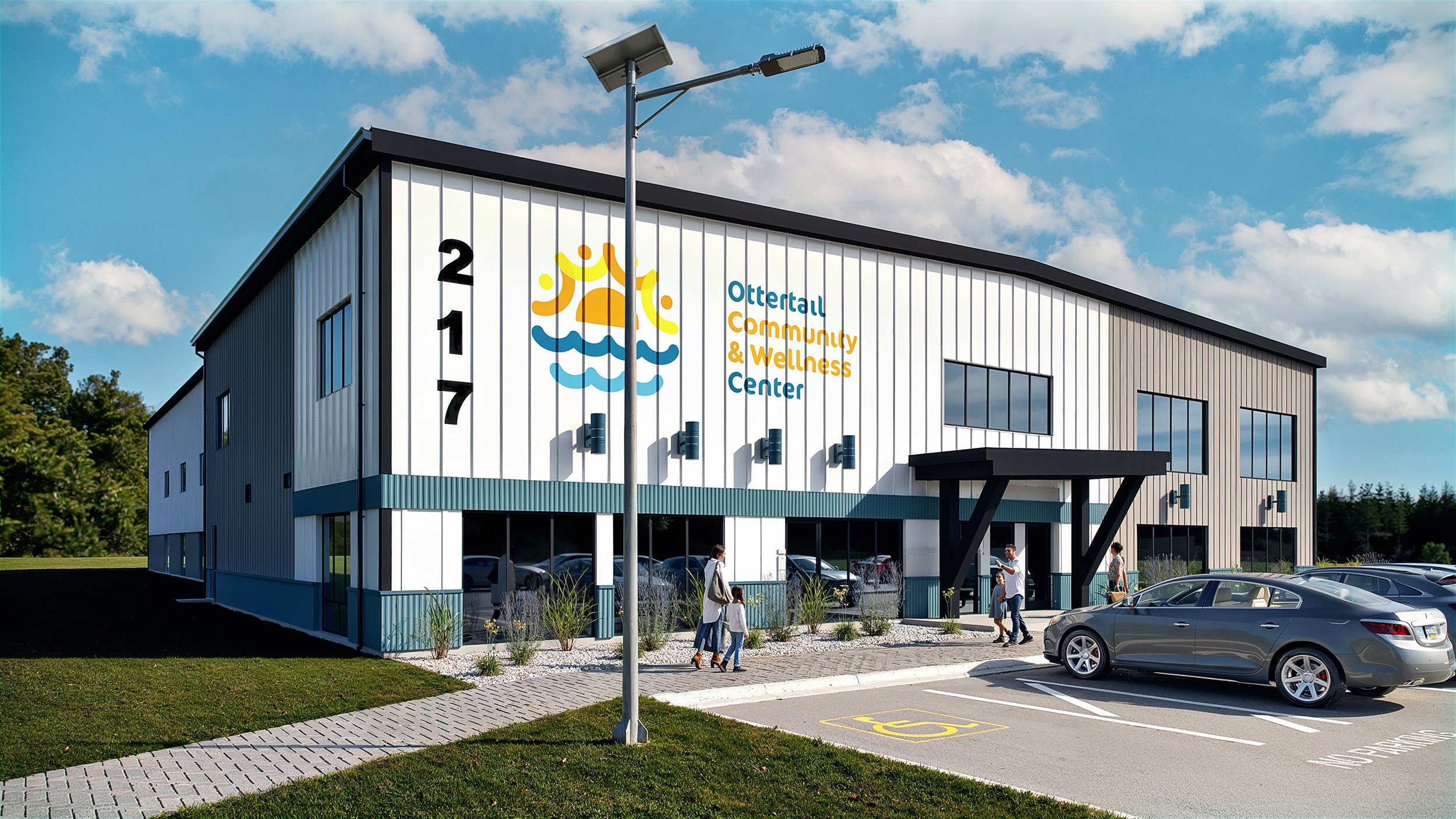
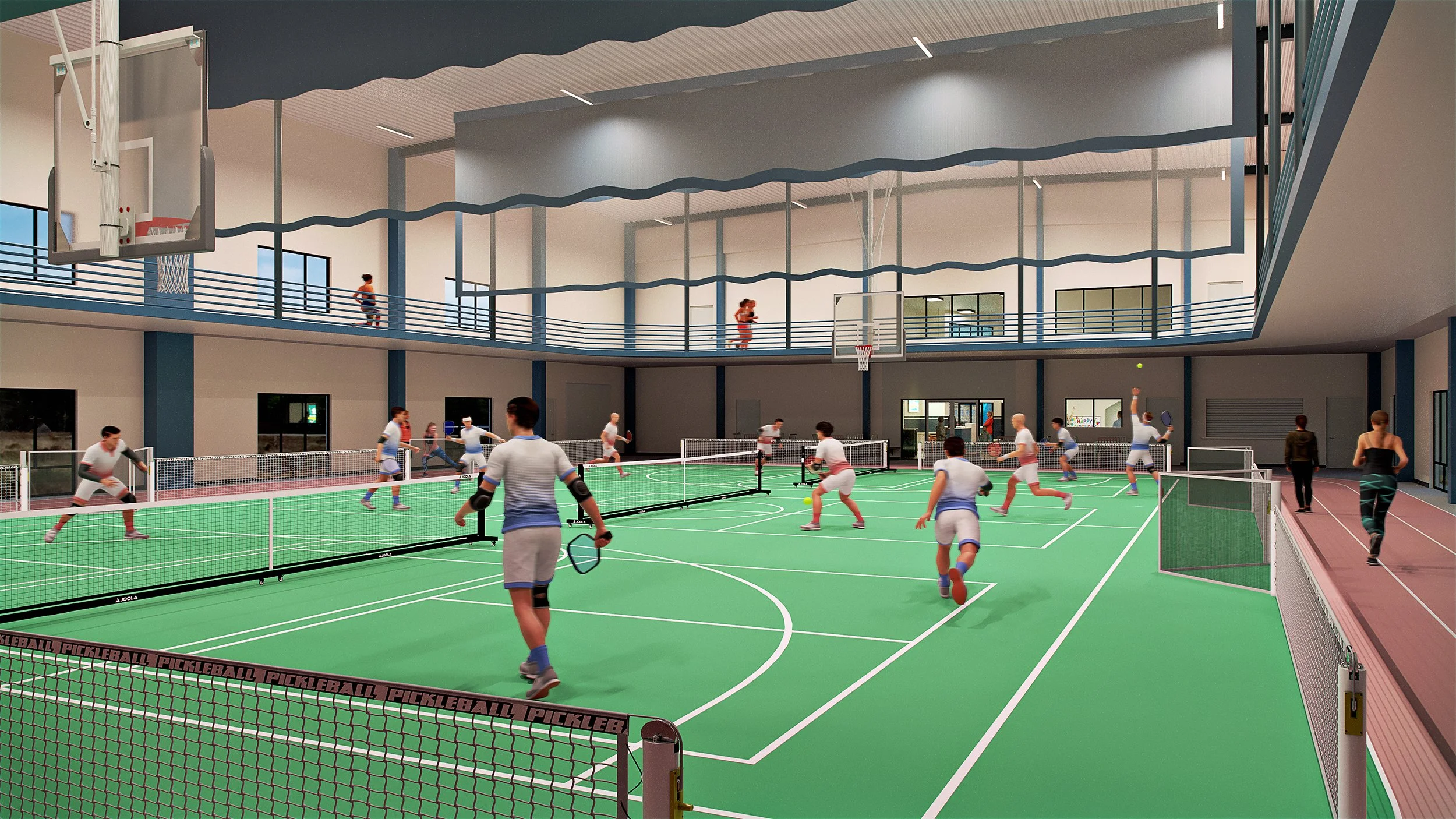
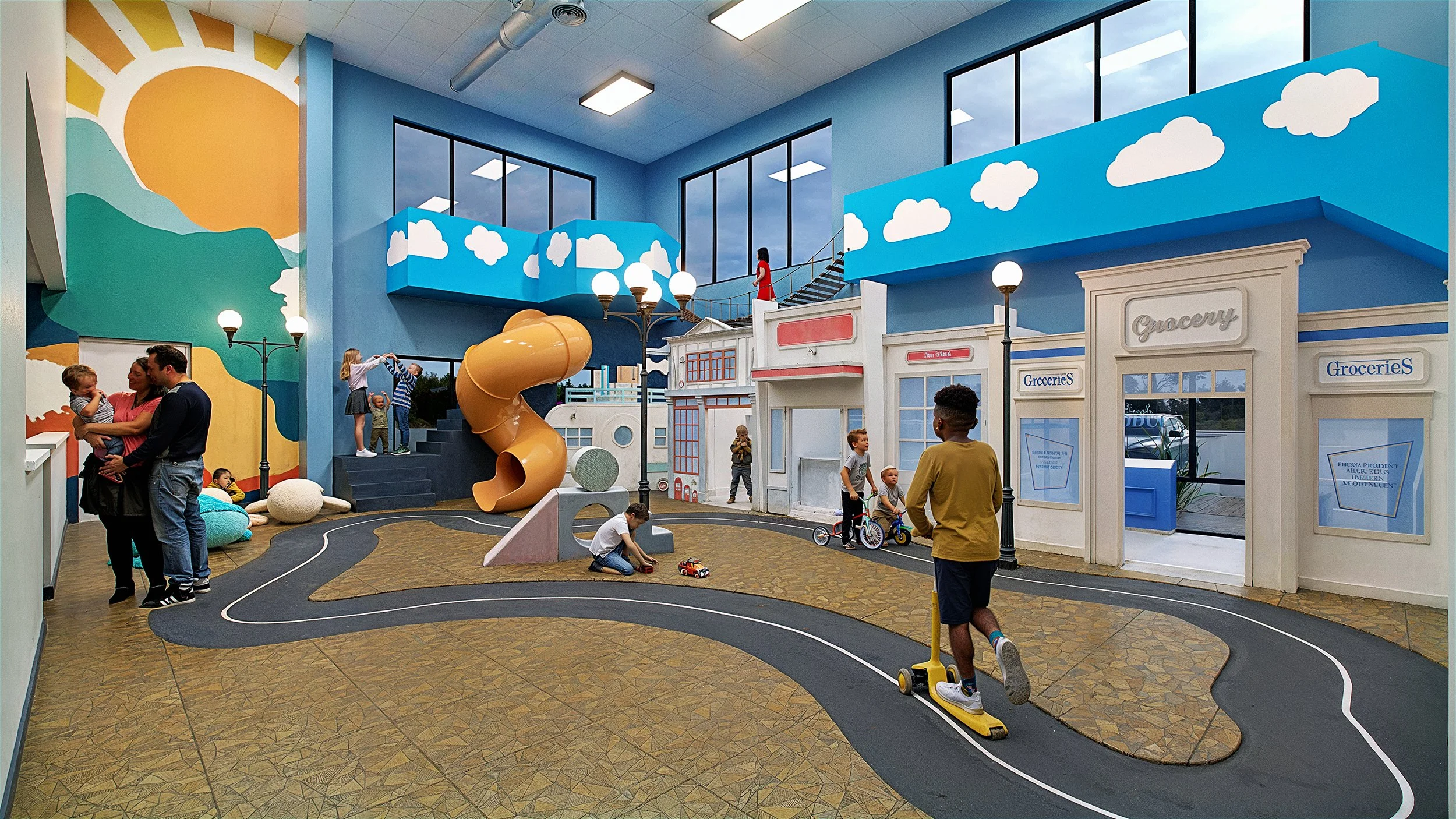
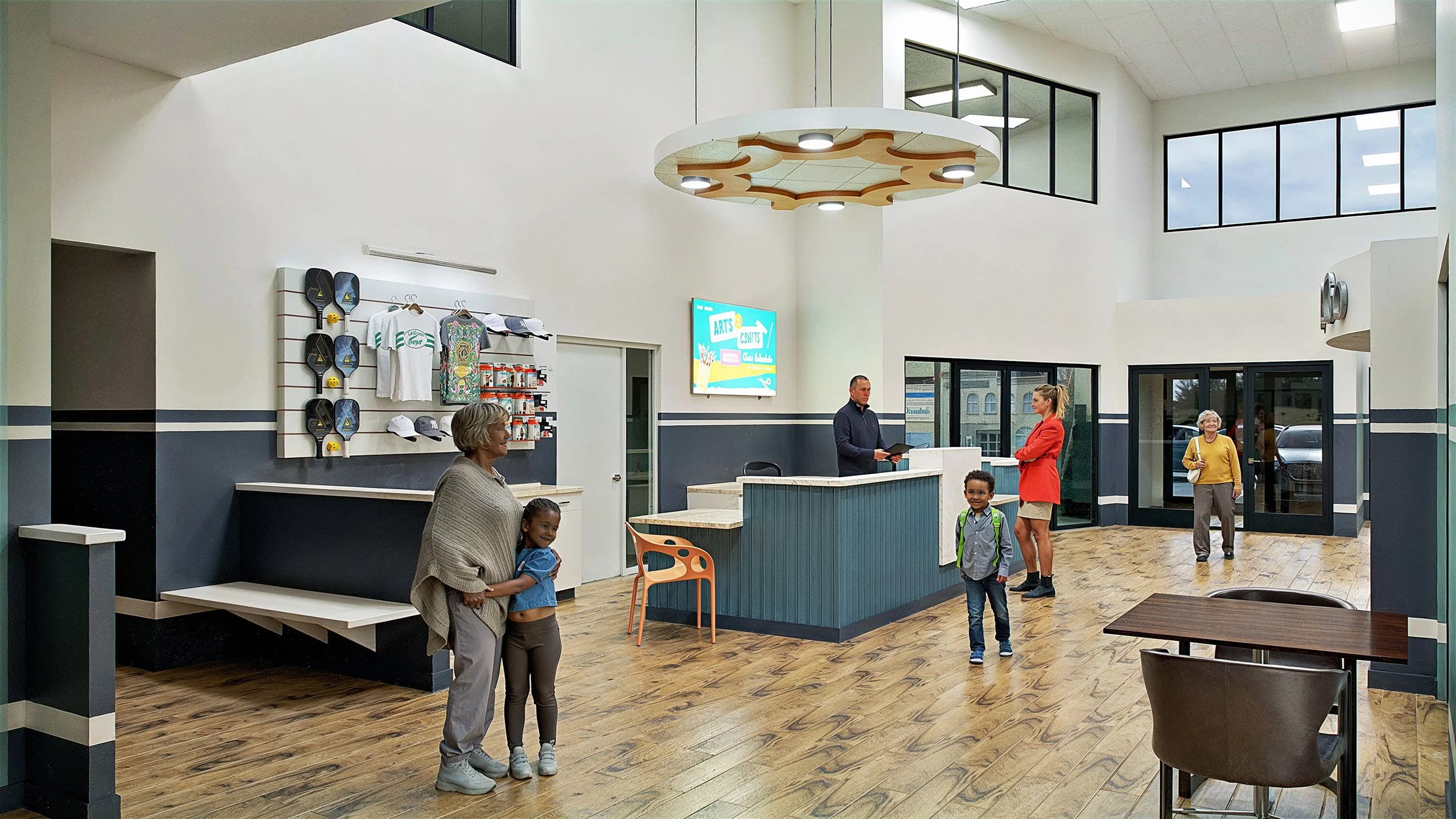
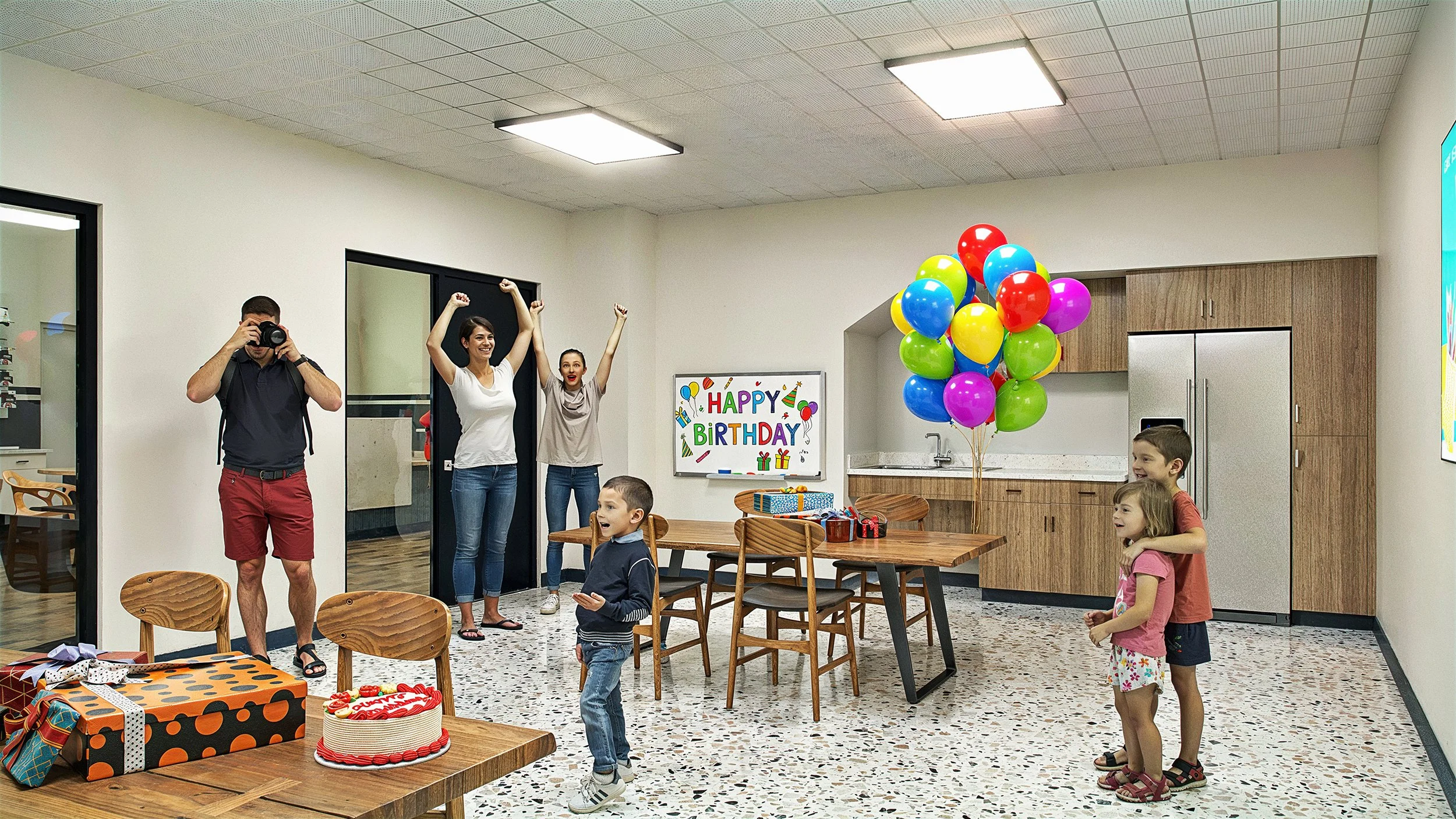
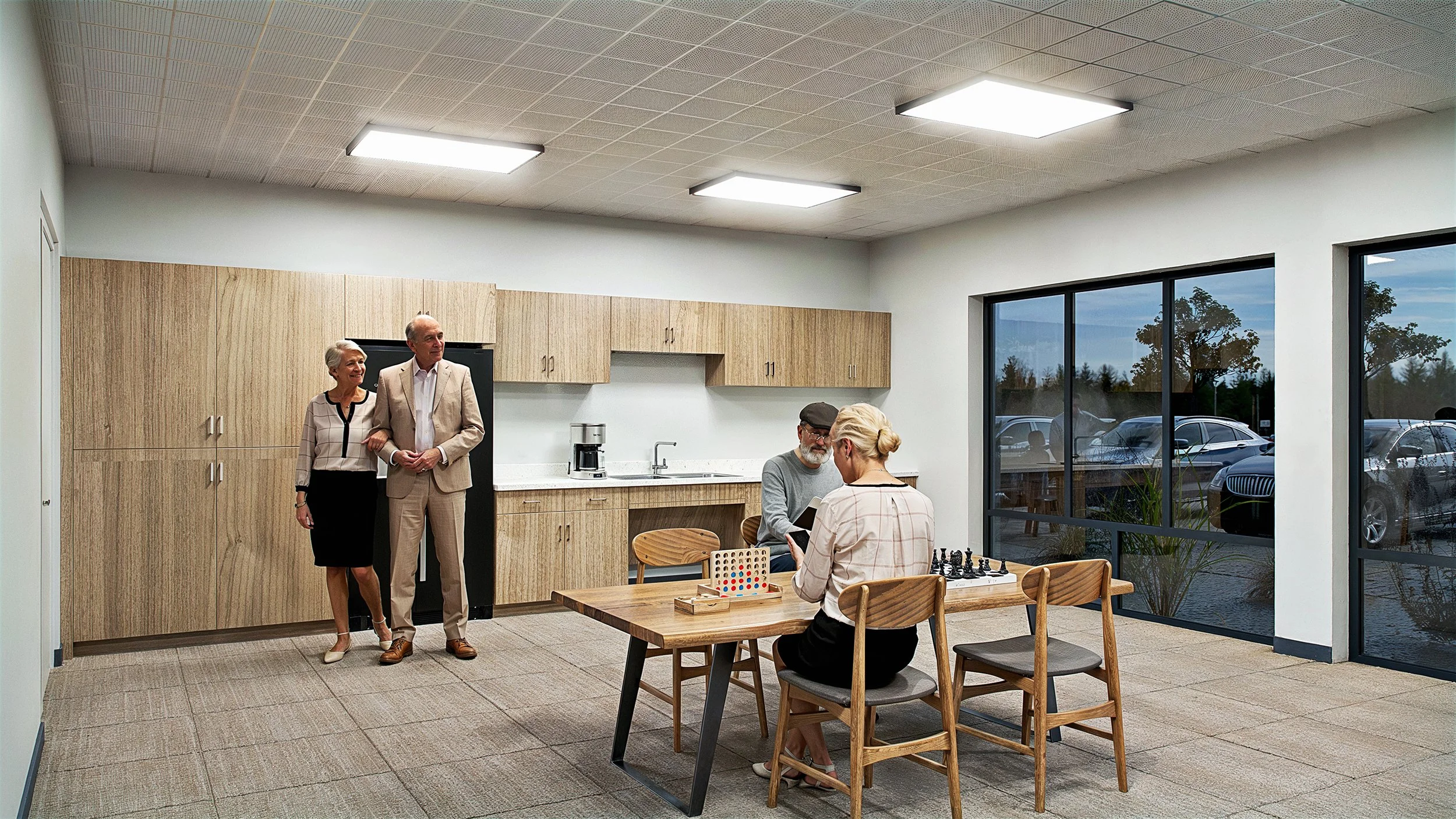
In the exciting, yet often abstract, world of real estate development, architectural renderings serve as a vital bridge between concept and reality. Before a single shovel breaks ground, these photorealistic visualizations become indispensable tools, not just for design, but for generating crucial community excitement and securing essential funding during the pre-construction phase.

Imagine trying to describe a complex, multi-story building project to a potential investor or a neighborhood group using only blueprints and technical drawings. It’s a challenge, to say the least. This is where high-quality architectural renderings shine. They transform two-dimensional plans into immersive, tangible experiences, allowing stakeholders to "see" and "feel" the future project. Whether it's a sleek, modern commercial complex or a charming, community-focused residential development, a well-executed rendering can immediately convey the project's aesthetic, scale, and potential impact.

For community engagement, this visual communication is paramount. Public meetings and outreach initiatives often face skepticism or misunderstanding if the project remains a nebulous idea. Renderings empower developers to present a clear, compelling vision. They can showcase how the new building will integrate with the surrounding environment, how green spaces will be incorporated, and even how natural light will flood common areas. This transparency fosters trust and allows residents to visualize the benefits and address concerns proactively, turning potential opposition into enthusiastic support. When people can picture themselves enjoying a new park space or shopping at a vibrant new retail center, their excitement becomes a powerful asset.

From a fundraising perspective, architectural renderings are a secret weapon. Investors, much like community members, are more likely to commit to a project they can clearly envision. A stunning rendering can create an emotional connection, demonstrating the project's marketability and potential return on investment. It transforms abstract numbers in a spreadsheet into a tangible asset, allowing investors to see the property's future value and appeal. This visual proof-of-concept is often the deciding factor in securing critical pre-construction capital, attracting partners, and even preselling units or spaces.

Ultimately, architectural renderings are more than just pretty pictures; they are strategic communication tools. They ignite imagination, foster understanding, and build confidence. In the competitive landscape of real estate development, investing in high-quality renderings during the pre-construction phase is not an expense, but an essential investment that pays dividends in community support and financial backing, transforming ambitious blueprints into beloved landmarks.

Here's an example of an architectural rendering that could excite a community and help with fundraising:


source https://bobby-parker.com/architectural-rendering-blog/bringing-dreams-to-life-why-architectural-renderings-are-crucial-for-pre-construction-success

Monday, January 12, 2026

Virtual Warmth, Real Results: Utilizing Architectural Renderings to Attract Senior Residents

View fullsize cascade-Reception.webp
View fullsize wide-lens.webp
View fullsize cascade-bistro.webp

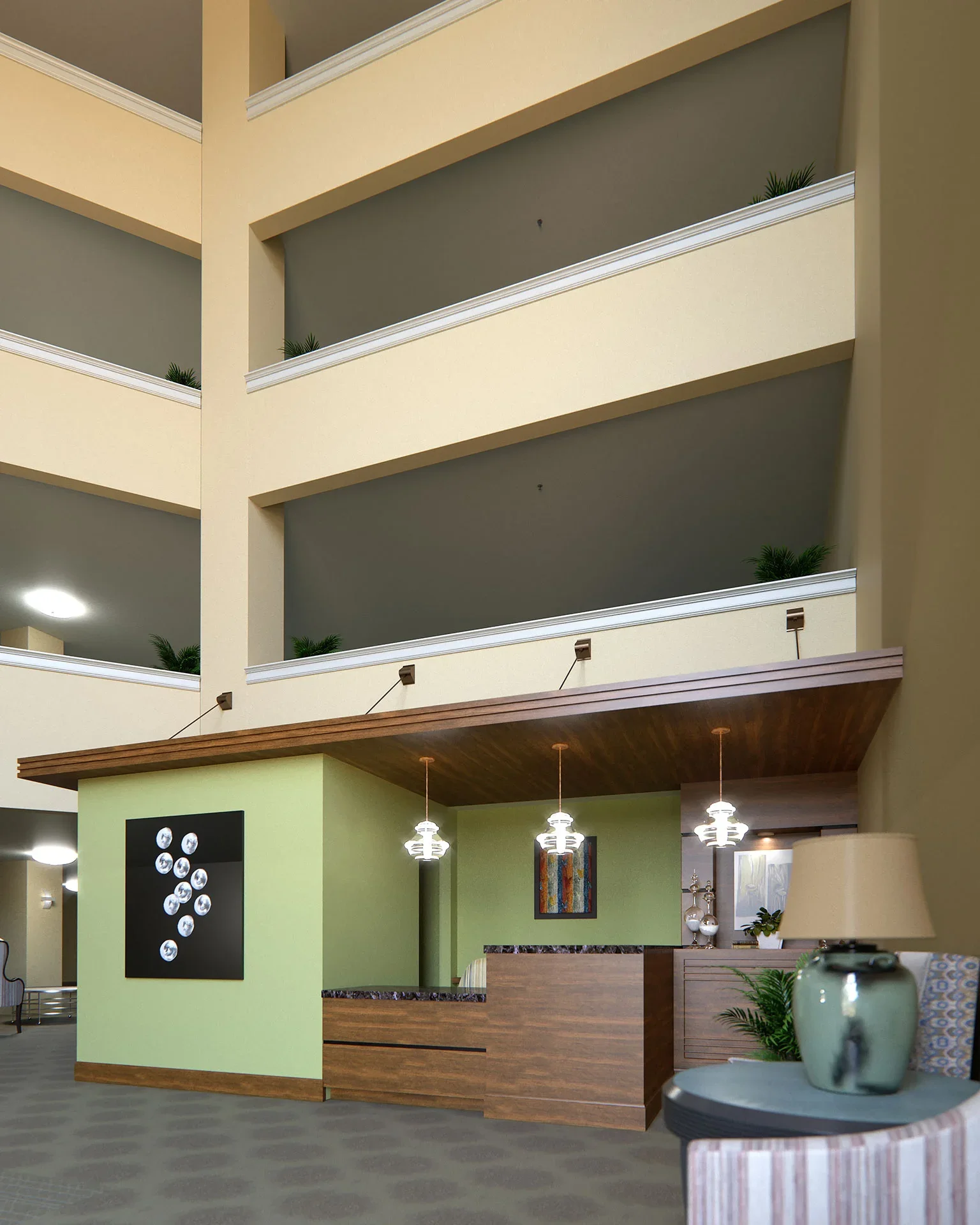
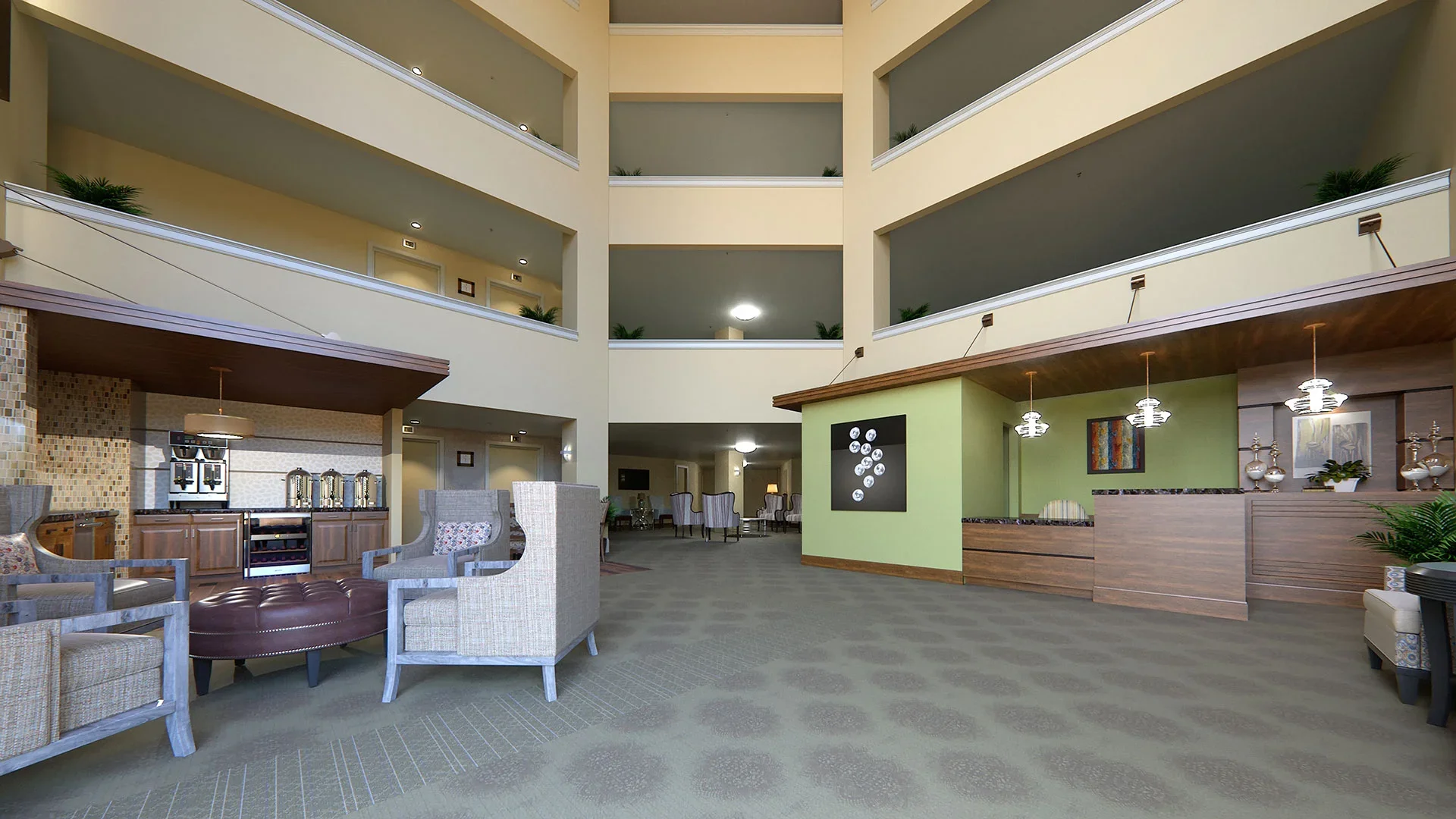
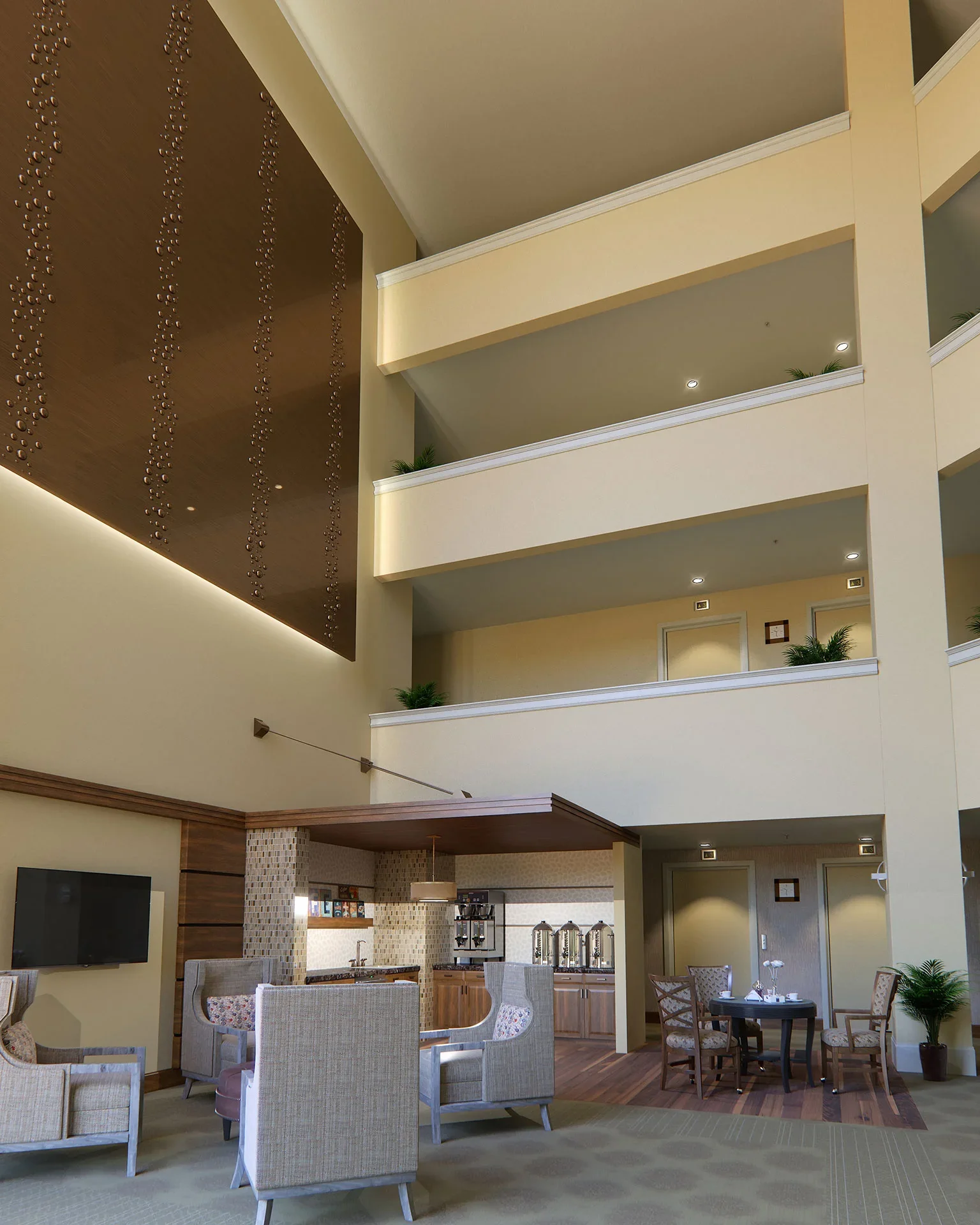
This architectural rendering depicts a multi-story common area in a senior living community, featuring a mix of seating areas, a small dining area, and an integrated kitchenette/bar. The design uses warm, natural materials like wood paneling and textured fabrics, soft lighting, and ample natural light from high windows to create a residential, inviting atmosphere rather than an institutional or stark medical feel. Green plants are incorporated throughout the balconies and the lower level, connecting the indoor space to nature. 

A warm, welcoming rendering is crucial for marketing senior living facilities because it reassures prospective residents and their families, making them feel cared for throughout the decision-making process. 

  • Evokes emotion and connection by capturing a space's warmth and spirit, helping potential residents and families feel a sense of belonging and trust in the community.Reduces anxiety by depicting a home-like environment, helping families and prospective residents feel more confident and less stressed about the transition. High-quality, warm renderings effectively showcase the community's lifestyle, comfort, amenities, and dedication to resident well-being, making it a powerful tool to attract both residents and investors. Aids in Decision Making: These visuals allow prospective residents and their families to experience the space virtually before it is built, helping them make informed decisions and build confidence in the facility's quality and care.


source https://bobby-parker.com/architectural-rendering-blog/virtual-warmth-real-results-utilizing-architectural-renderings-to-attract-senior-residents

Friday, January 9, 2026

The Art of Architectural Visualization: A Study in Light and Balance

View fullsize front.jpg
View fullsize back.jpg

This rendering showcases advanced photorealistic techniques, possibly achieved with V-Ray, highlighting the technical mastery behind the artistic vision.

The composition demonstrates a keen understanding of visual hierarchy and balance. Positioned at a corner lot, the home commands attention through its central placement, yet the artist avoids rigid symmetry. The slight three-quarter angle reveals both the front façade and side elevation, providing dimensional depth and a sense of authenticity that encourages viewers to trust the scene as a realistic depiction.

Perhaps most impressive is the rendering's masterful treatment of natural light. The artist has chosen what appears to be late afternoon golden hour—that warm, inviting time when sunlight creates a cozy atmosphere. Notice how the light rakes across the home's white horizontal siding, emphasizing texture and depth and helping viewers feel connected to a real, welcoming space.

The choice of a neutral palette accented with vibrant florals and organic palm trees enhances the scene's realism and evokes a welcoming, lively atmosphere.

What distinguishes this rendering is its restraint. The artist resists the temptation to oversaturate or over-dramatize. Instead, they've created a scene that feels authentic and livable—a space you can imagine inhabiting. The lighting is believable, the composition dynamic yet balanced, fostering a sense of realism in the scene and inspiring viewers to envision their own ideal home.


source https://bobby-parker.com/architectural-rendering-blog/the-art-of-architectural-visualization-a-study-in-light-and-balance

Wednesday, January 7, 2026

A Vision for Coastal Living: Our Proposed Residence Renderings

View fullsize Denny Residence - front.jpg
View fullsize Denny Residence - back.jpg
View fullsize Denny Residence - kitchen.jpg
View fullsize Denny Residence - gate.jpg

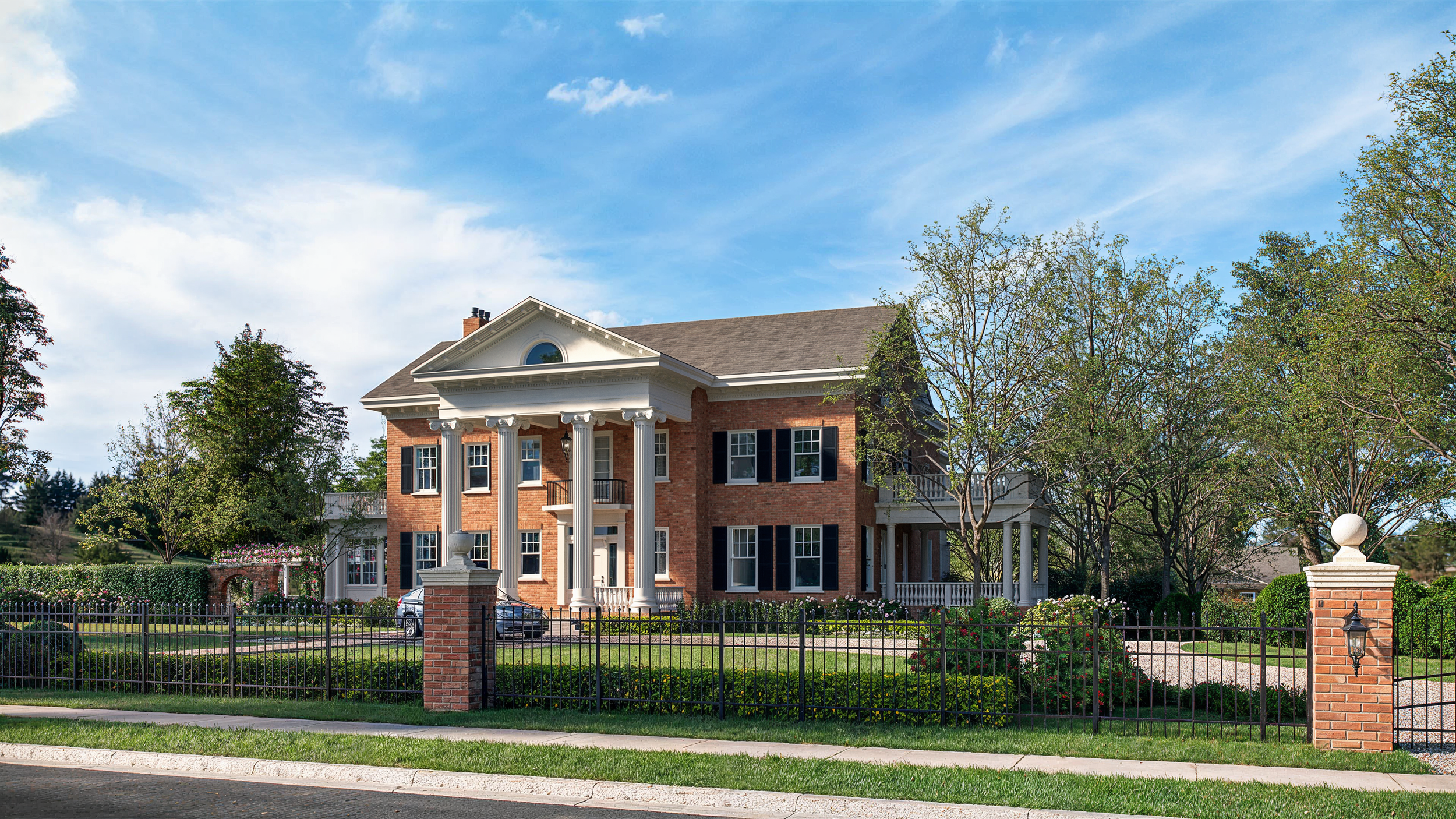
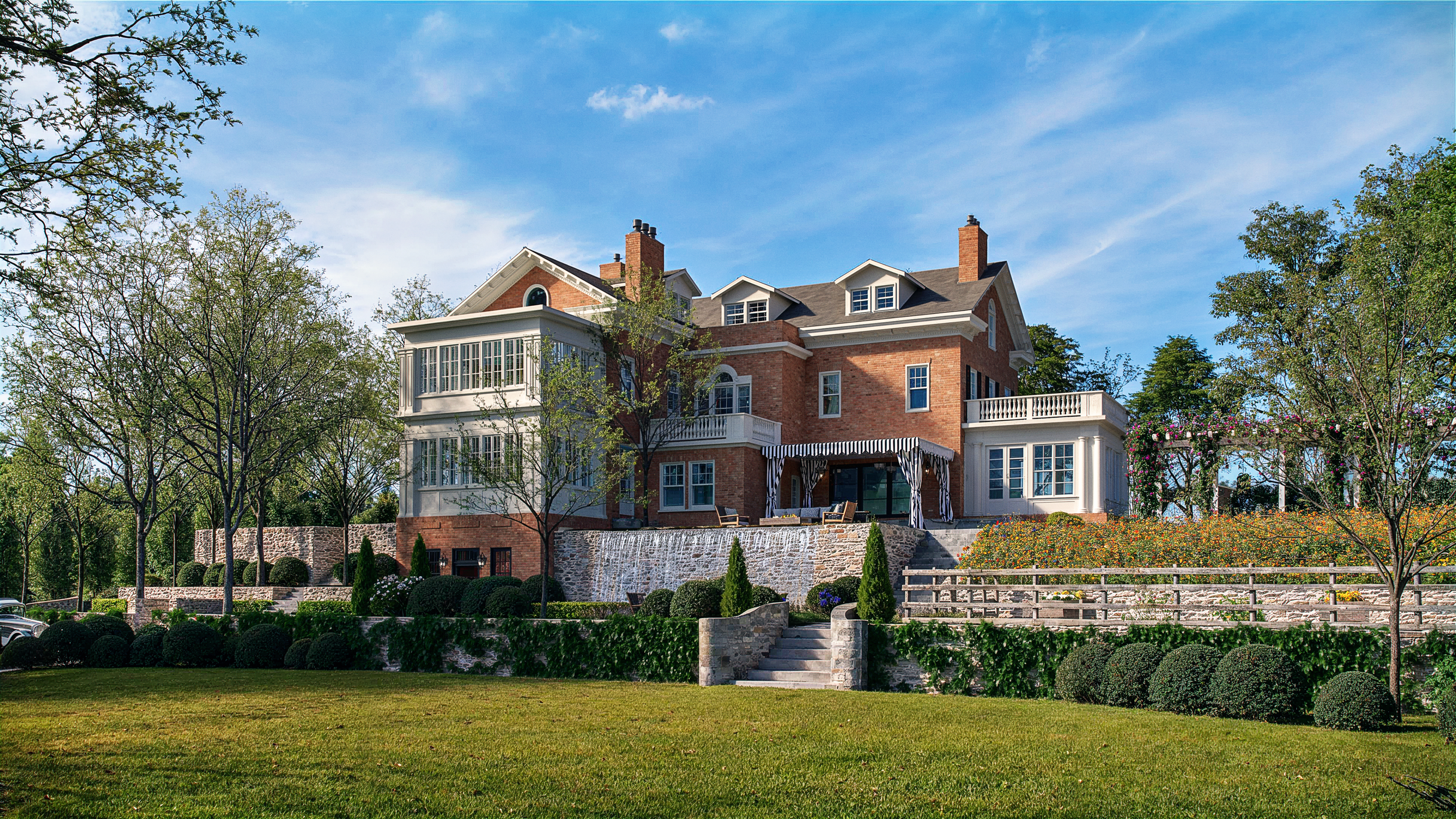
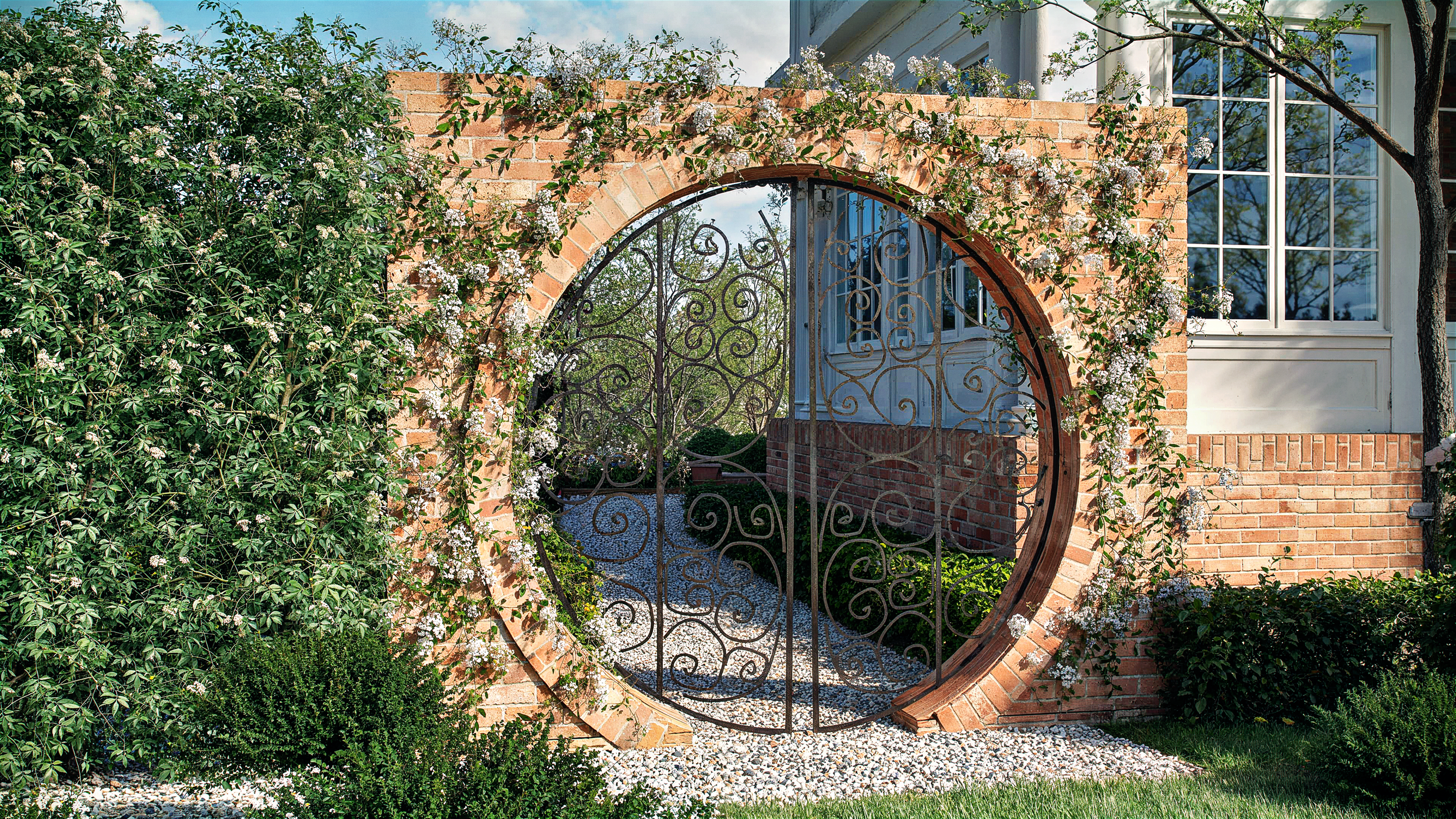
Presenting a new architectural vision requires more than blueprints; it demands a clear, unambiguous picture of the future. For the proposed [Project Name] residence, we commissioned this photorealistic architectural rendering to provide the city planning board and the community with an exact visualization of the final project. This tool is instrumental in ensuring that every aspect of the design is transparently communicated for review and approval.

A Transparent Look at the Design

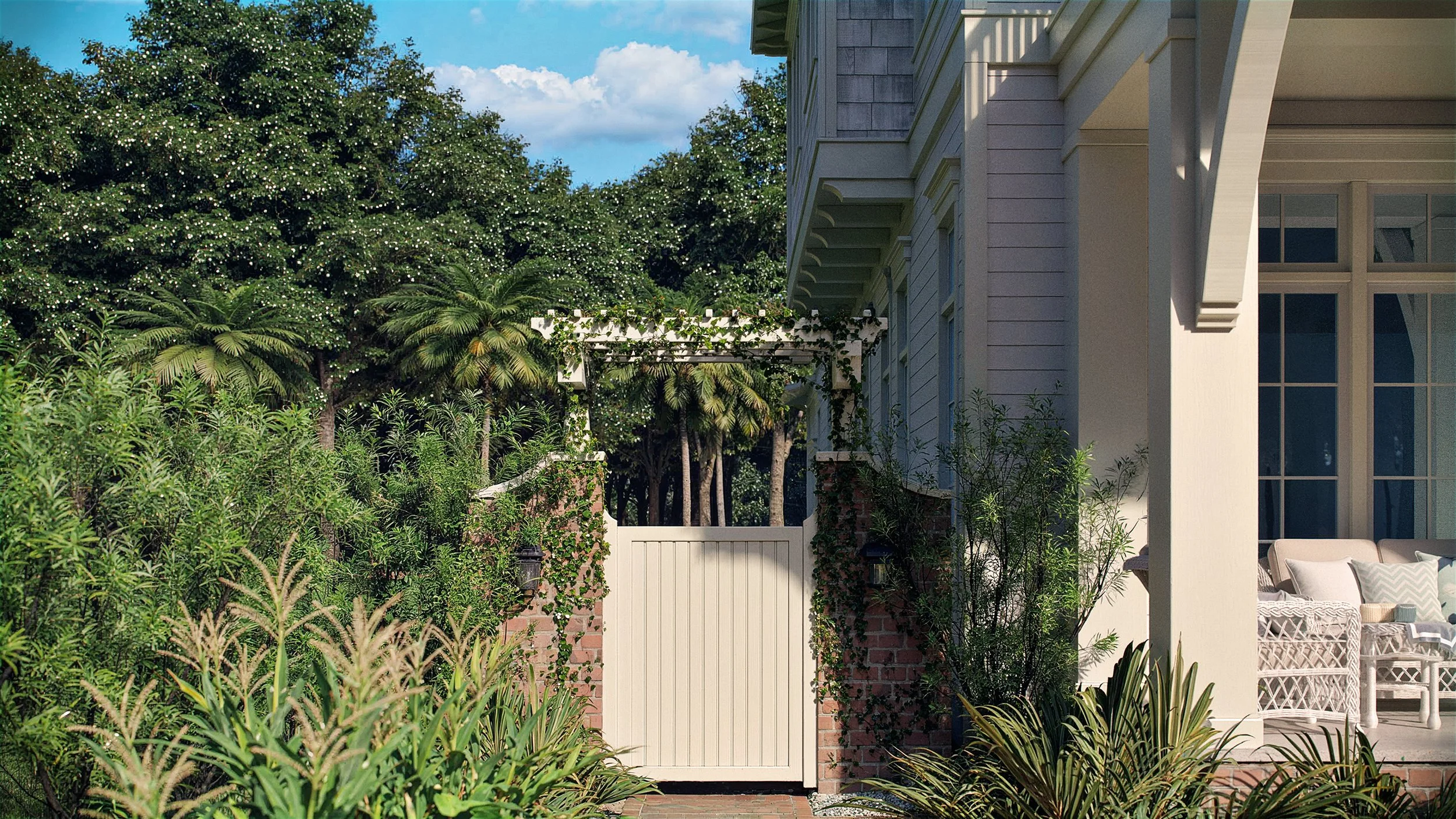
This rendering serves as a critical communication instrument, translating complex architectural drawings into an easily understandable visual narrative. Unlike simple sketches or basic 3D models, this high-fidelity image accurately depicts material textures, scale, and the interplay of light and shadow. The detail visible in the white siding, the natural wood door, and even the mature landscaping surrounding the home ensures there are no ambiguities about the design choices we have made.

Contextualizing the Impact

One of the most valuable aspects of this visualization tool is its ability to precisely integrate the proposed structure into its real-world context. The rendering accurately captures how the home interacts with existing elements, such as the adjacent palm trees and the surrounding neighborhood. This level of detail helps the planning board assess factors such as massing, streetscape harmony, and neighborhood fit with confidence. It demonstrates, without a doubt, how the scale of the porches and the building height align with our coastal community’s established character.

Ensuring Compliance Through Clarity

By using this highly detailed visualization, we aim to streamline the approval process. It allows us to present a complete and honest representation of our plans, facilitating a straightforward review against all local zoning ordinances and design guidelines. We believe that clarity and transparency are paramount when seeking community and city support.

This rendering is a testament to our commitment to a beautiful, compliant, and well-understood project that will stand as a valuable addition to our shared environment. We look forward to a collaborative review process aided by this precise visualization.


source https://bobby-parker.com/architectural-rendering-blog/a-vision-for-coastal-living-our-proposed-residence-renderings

Cultivating Innovation: How to Drive Tech Adoption in the Modern Studio

In the fast-paced world of architectural visualization and design, staying "ahead of the curve" isn't just a catchy phrase—it's a survival strategy. At a global powerhouse like Whitebirch Studios, innovation is woven into the studio's 16-year history of technical excellence. But as any Senior 3D Artist knows, having the latest software is only half the battle; the real challenge lies in driving adoption across the team.

Here is how we can bridge the gap between "new tech" and "new standard."

Start with the "Why," Not Just the "What"

The primary reason digital transformation projects fail is a lack of context. To get a busy production team to pivot, you must address their most significant pain points. Instead of presenting a new tool as "another thing to learn," frame it as a solution:

  • Does it cut conceptual design time by 35%?

  • Does it eliminate the "spellcheck for buildings" manual code-compliance grind?

  • When artists see how a workflow gives them more time for creative expression and less time on repetitive tasks, adoption happens naturally.

The Pilot-First Approach

Don't overhaul the whole studio overnight. Select a test team and a specific, collaborative project to pilot the new workflow. This allows you to:

  1. Identify Roadblocks: Catch technical hiccups in a controlled environment.

  2. Gather Social Proof: Have the pilot team serve as your internal champions. There is no better advocate than a peer saying, "This tool saved me four hours on my last rendering."

Foster a Culture of Continuous Learning

Adoption is a marathon, not a sprint. To maintain momentum, we must move beyond the initial "handing out of logins."

  • Lunch and Learns: Host informal sessions where artists share updates and tips in a familiar, conversational tone.

  • Custom Guidelines: Create a "North Star" internal handbook—complete with screenshots and videos—so everyone is using the same formula for success.

Why It Matters

By leveraging tools like generative design and real-time collaboration platforms, I don't just work faster—I provide a better customer experience. In an industry where hyper-realism and VR integration are becoming the baseline, my ability to rapidly adapt ensures that the studio remains a market leader.

Innovation is a mindset, not just a tool. By focusing on people and process, I ensure my workflows are as visionary as the architecture we visualize.


source https://bobby-parker.com/architectural-rendering-blog/cultivating-innovation-how-to-drive-tech-adoption-in-the-modern-studio

Monday, January 5, 2026

How To Say No To Your Clients.

Some clients are a dream to work with. They’re communicative about their needs, set reasonable timeframes for deliverables, and are willing to let you, the person they’ve hired, work according to your process. Moreover, they pay your invoices promptly. And then there are the demanding clients.

These clients insist you meet unreasonable deadlines. They regularly demand that you perform duties that lie outside the terms of your contract or agreement. And they micromanage your work to the point that you dread working on the projects for which they’ve hired you. It’s relatively easy to say no to the latter group. Turning down projects from disrespectful, overly demanding clients is a matter of survival. They take up too much time while delivering too little compensation for the effort and aggravation. But even great clients sometimes make requests you’re better off turning down. For example, you may lack the resources to take on a specific project. If you were to consent to the project, you’d be setting yourself up for failure. Or perhaps the time and effort required are too great, given the compensation. Or maybe it’s a good project, but you’ve planned a vacation that limits your availability.

The point is, there are often valid reasons to say no to clients, even the ones you enjoy working with. But doing so can still be difficult. You don’t want to disappoint them or hurt their feelings. You don’t want to break the relationship. And you certainly don’t want to lose their business. So how can you say no to clients in a way that’ll ensure they respect your decisions? First, recognize that turning down a client’s project isn’t a negative reflection of your service or professionalism. Showing respect and understanding helps clients feel valued and heard. Second, provide a legitimate reason for declining the request. For example, you might say: I’m going to pass on this project because I don’t have the resources (or skills) to do a good job for you.” Or you could explain: I’ll be on vacation next month, so I won’t have time to work on this for you.”

Reasons validate your decisions. A client who understands why you’re turning down her request is more likely to forgive you for doing so. Third, offer an alternative. For example, if your lack of availability is preventing you from taking on a project, suggest a deadline that’s further down the road. Or if you lack the required skill set to complete the project, refer your client to someone you trust who does. If you’re not interested in the project, suggest a qualified peer who might be willing to take it on in your stead. Saying no to clients is rarely fun. That’s especially true if you genuinely like them and enjoy working with them. But depending on your circumstances, saying no is sometimes your best option. As long as you’re communicative, candid, and respectful, you can do so without harming the relationship. As a bonus, you’ll be setting the expectation that you will occasionally say no.


source https://bobby-parker.com/architectural-rendering-blog/how-to-say-no-to-your-clients

Saturday, January 3, 2026

Envision Your Dream Home: The Power of Architectural Renderings

View fullsize street.png
View fullsize backyard.png
View fullsize moon.png
View fullsize veggie garden.png
View fullsize sun room.png
View fullsize hot-tub.jpg

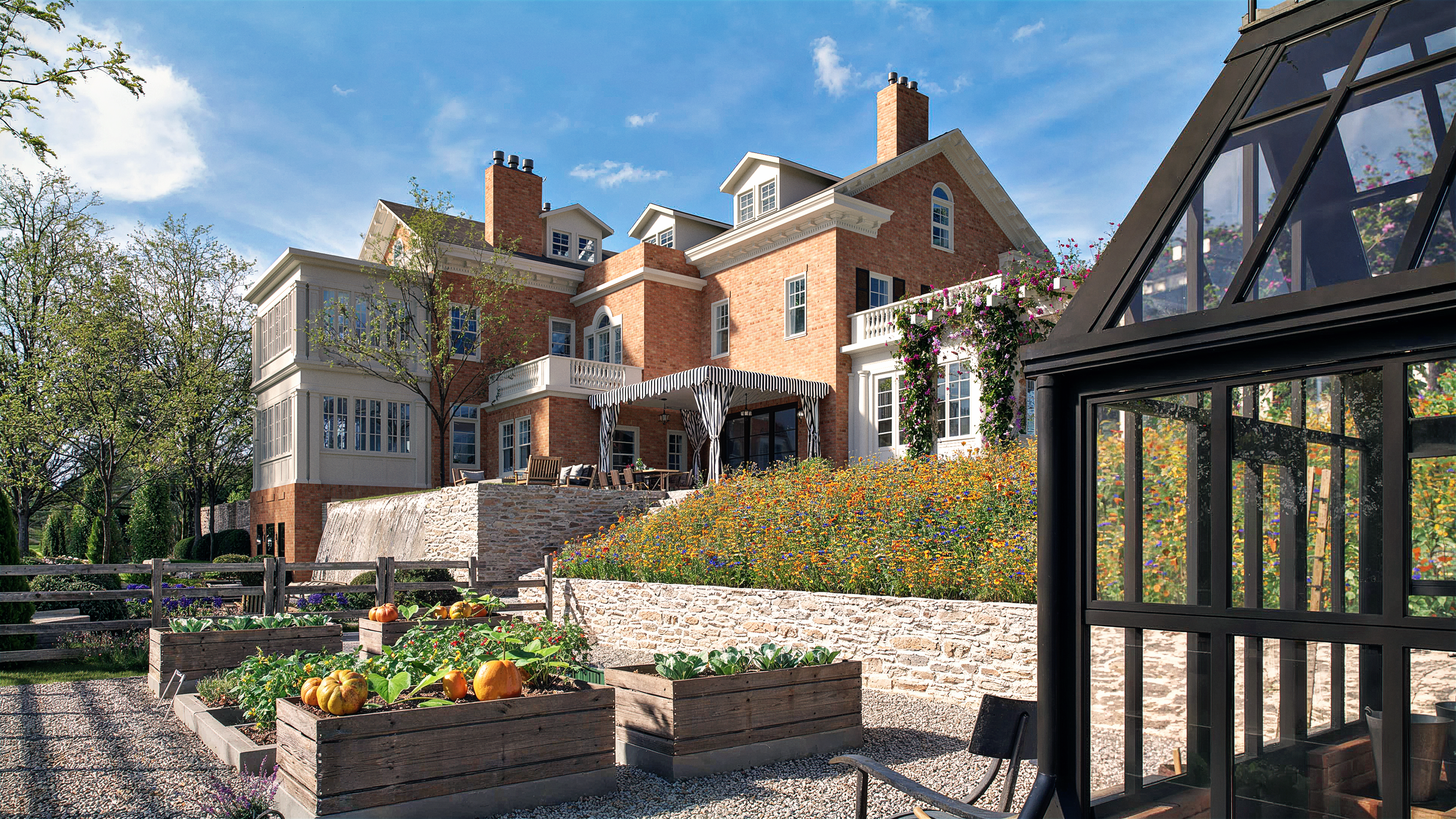
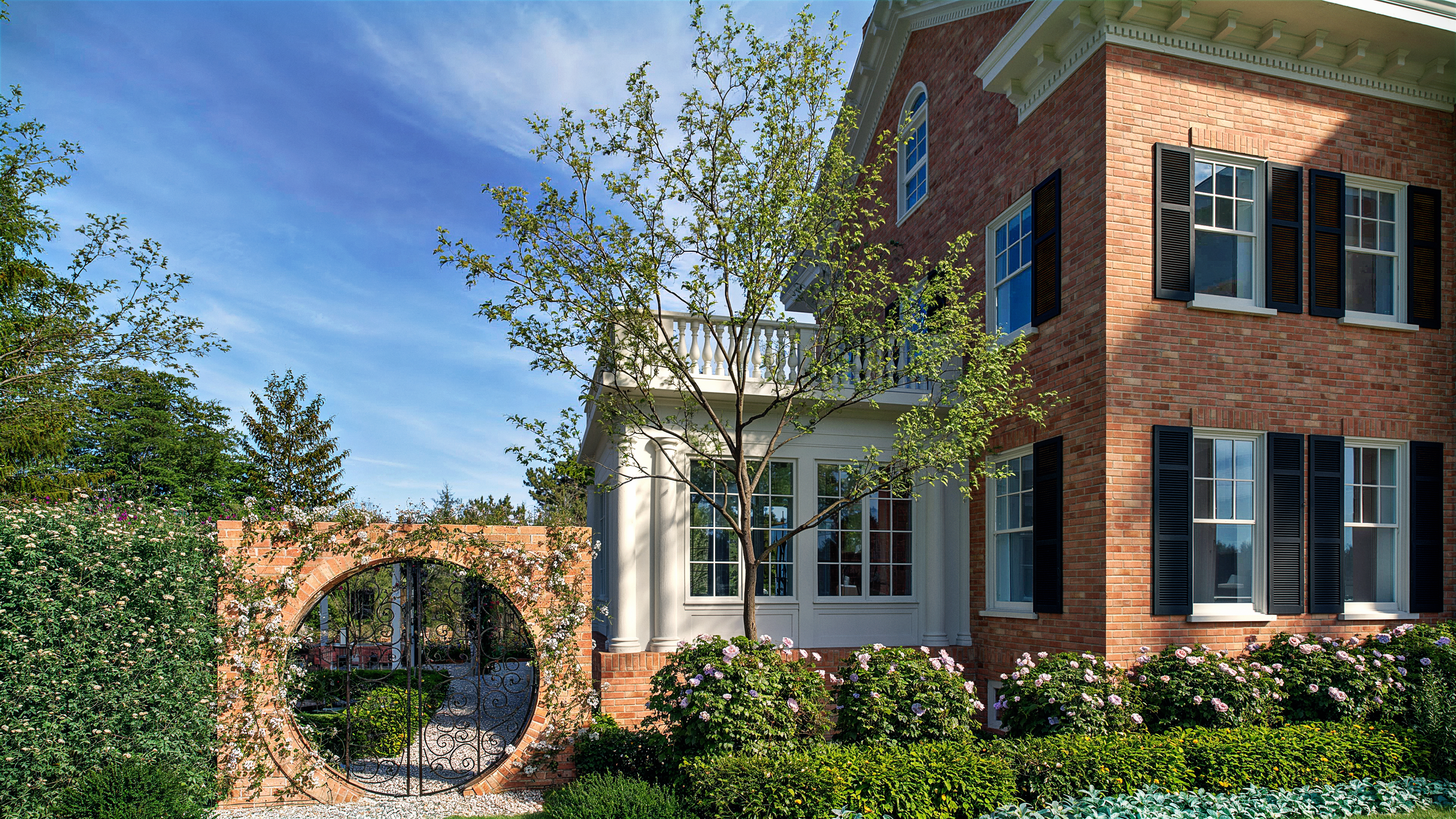
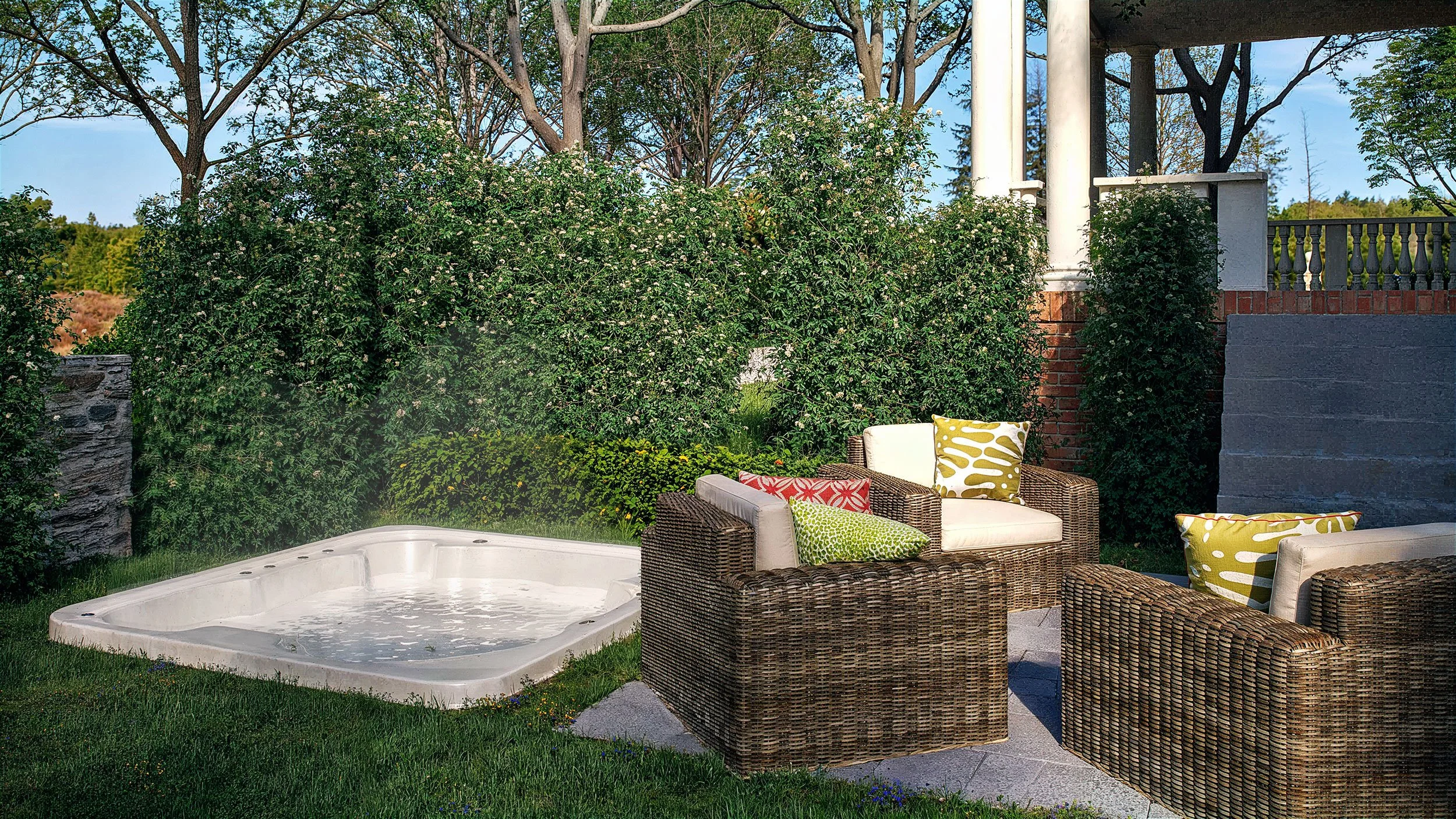
Building or renovating a home is likely the most significant financial and emotional investment you'll ever make. It starts with a vision—a set of ideas in your mind's eye. But moving from abstract blueprints to tangible reality can be daunting and often expensive. This is where high-quality architectural renderings become your most valuable tool, offering a virtual sneak peek at your future home long before construction begins.

Bringing Blueprints to Life

For most homeowners, deciphering technical 2D blueprints or line drawings requires a significant leap of imagination. A traditional floor plan can show dimensions, but it often fails to capture a space's authentic feel, scale, and flow. This communication gap can lead to misunderstandings, frustrating revisions, and, most importantly, costly changes down the road.

Custom renderings eliminate this guesswork. They transform complex plans into photorealistic, immersive visuals that anyone can understand. You can see exactly how the light will filter into your living room at different times of the day, how your chosen materials will look, and how the home will sit within its environment. This level of detail ensures you, your architect, and your builder are all on the same page, working from a single, shared vision.

Explore Design Elements Virtually Before You Invest

One of the most significant benefits of using custom architectural renderings is the unparalleled design flexibility they offer. Instead of committing to an expensive material or a design choice during construction—when changes become a logistical and financial nightmare—you can explore countless options virtually and cost-effectively.

  • Material and Color Choices: Unsure if a brick facade or a different color scheme is the right choice? Renderings let you experiment with textures, finishes, and colors with just a few clicks. This prevents the regret of discovering you dislike a finish after it's already installed.

  • Structural Tweaks: Identify potential design flaws, such as a window placement that doesn't feel right or an awkward room layout, in the design phase, when modifications are quick and straightforward to implement digitally.

By catching these issues early, you avoid expensive mid-construction adjustments that can cause delays, material waste, and unexpected budget overruns.

A Smart Investment for Peace of Mind

Ultimately, architectural renderings are a wise, cost-effective investment in peace of mind. They allow you to feel an emotional connection with your future home before the foundation is even poured, making the entire building process more confident and enjoyable. You move from 'hoping it looks good' to 'knowing it will look great,' ensuring your substantial investment results in the dream home you truly envision.


source https://bobby-parker.com/architectural-rendering-blog/envision-your-dream-home-the-power-of-architectural-renderings

Friday, January 2, 2026

Why Giving Credit to Architectural Illustrators is a Win-Win for the Industry

Recognizing architectural illustrators when sharing work reinforces industry standards and positions professionals as ethical leaders in the field. In the fast-paced world of real estate marketing and architectural design, a high-quality rendering is often the "hero" image that sells a vision. However, a common oversight occurs when these finished renderings are shared on social media, websites, or press releases: the architectural illustrator is left uncredited.

Providing proper attribution isn't just about professional etiquette; it's a vital practice that supports the creative ecosystem and makes illustrators feel valued. Here is why the illustrator deserves a mention when the client shares the work.

1. Intellectual Property and Professional Courtesy

At its core, an architectural rendering is a work of art protected by copyright. While a client pays for the service and the right to use the image, the original authorship remains with the illustrator. Crediting the creator acknowledges this intellectual contribution. Just as a photographer is tagged in a lifestyle shoot, the digital artist who spent hours perfecting a building's lighting, textures, and atmosphere deserves the same recognition.

2. Context and Authenticity

A rendering is a bridge between a blueprint and reality. When a client shares a rendering with a tag like "Visualization by [Artist Name]," it adds a layer of transparency and trust. It tells the audience that the image is a professional representation of the future. This clarity is essential in an era of AI-generated content, as it highlights the human skill and intentionality behind the design.

The architecture, engineering, and construction (AEC) industry thrives on collaboration; tagging illustrators can open Doors to new projects and partnerships. The architecture, engineering, and construction (AEC) industry thrives on collaboration. When a developer or architect tags their illustrator, they are showcasing a successful partnership. This helps the illustrator feel proud of their contribution and benefits the client by demonstrating that the firm works with high-caliber talent, which can be a selling point for future investors or tenants who value quality at every stage of development.

4. Boosting Industry Standards (and SEO)

From a digital marketing perspective, cross-tagging and crediting create a web of backlinks and mentions that can improve SEO for all parties. When you credit an illustrator on platforms like LinkedIn or Instagram, you tap into their audience and vice versa. This mutual visibility raises the project's profile and ensures the creative community remains sustainable and motivated to produce top-tier work.

The Bottom Line: Crediting your architectural illustrator costs nothing yet provides immense value in terms of professional respect, legal clarity, and marketing reach. The next time you post that stunning 3D visualization, remember to add a simple credit line—it's the hallmark of a professional and collaborative leader in the industry.


source https://bobby-parker.com/architectural-rendering-blog/why-giving-credit-to-architectural-illustrators-is-a-win-win-for-the-industry

How Architectural Renderings Help Developers Drive Presales and Buyer Confidence

View fullsize 57-Somerset---front.jpg
View fullsize 57-Somerset--back.jpg

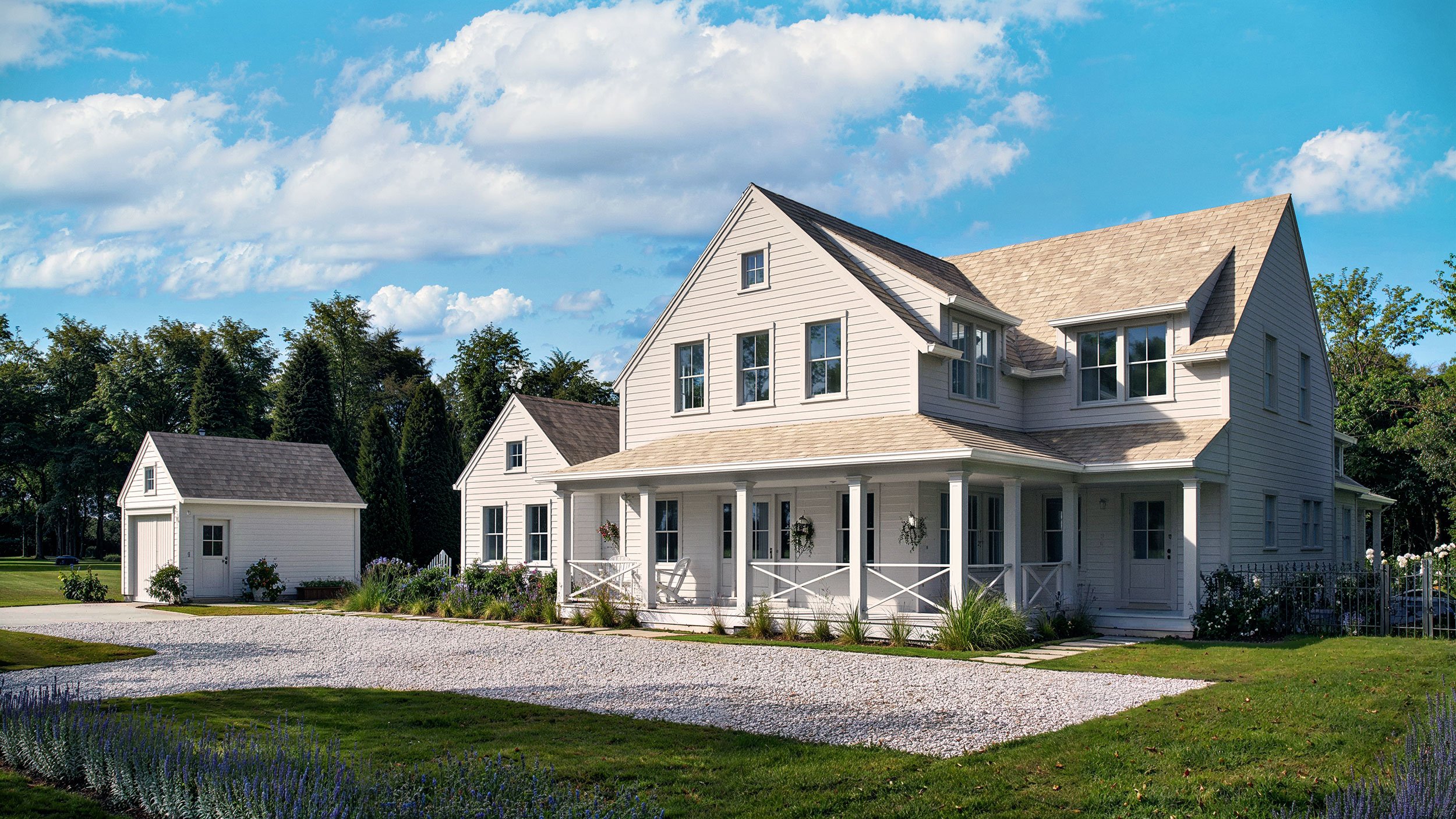
This upscale coastal farmhouse design showcases a sophisticated vision of modern rural elegance, crafted to attract discerning high-end buyers and investors and to emphasize lifestyle, quality, and value well before construction begins. The home is composed as a gracious, multi-structure residence set within a lush, landscaped site, immediately conveying a sense of permanence and thoughtful planning that resonates strongly with presale buyers.

The main house features classic gabled forms, clean white clapboard siding, and a soft, neutral roof palette. This timeless color scheme ensures broad appeal, making the architecture feel enduring and attractive to a diverse buyer demographic—an essential factor in early-stage marketing. Large, evenly spaced windows flood the interiors with natural light, suggesting openness and comfort without revealing specific interior layouts, leaving room for buyers’ imagination. The symmetrical façade and well-proportioned massing reinforce a sense of balance and craftsmanship.

The covered wraparound porch, supported by simple square columns and accented with subtle rail detailing, invites potential buyers to envision outdoor living and social gatherings, fostering an emotional connection that enhances their desire to own the space.

The gravel drive curves gently toward the residence, leading the eye naturally across the site and reinforcing a sense of arrival. Detached auxiliary structures, likely a garage and guest or carriage house, mirror the architectural language of the main home. Their inclusion signals flexibility, premium living, and thoughtful master planning—key selling points for developers positioning higher-end residential offerings.

Surrounding greenery and mature trees frame the property, enhancing privacy and reinforcing a serene, upscale environment. The rendering’s lighting and sky treatment are intentionally bright and inviting, projecting optimism and livability while maintaining realism. This balance is critical for presales, as buyers want to trust what they are seeing while still feeling inspired.

From a developer’s perspective, this rendering is more than a visual—it's a strategic sales tool that builds confidence by showcasing material quality, site planning, and lifestyle aspirations early, encouraging investor trust and interest.


source https://bobby-parker.com/architectural-rendering-blog/how-architectural-renderings-help-developers-drive-presales-and-buyer-confidence