Tuesday, April 14, 2026

What Should Builders, Architects, and Developers Look for in a Residential Rendering Studio?

If you are a builder, architect, or developer, you need a studio that can actually help move the project. That means clear communication, a stable process, useful outputs, and visuals that are grounded in the real design, not just loosely inspired by it.

So what should you look for in a residential rendering studio in 2026?

Here are the big things that matter.

1. A portfolio that actually looks residential

This sounds obvious, but it gets missed all the time.

A studio may have beautiful hospitality or commercial work and still not be the right fit for homes. Current guidance on choosing a rendering partner keeps coming back to the same point: look for relevant experience, not just polished imagery. You want to see homes, neighborhoods, exterior elevations, and residential interiors that feel believable for the kind of project you are building.

A residential rendering studio should understand curb appeal, material hierarchy, everyday livability, and the kinds of visuals that support pre-sales and approvals for homes.

2. The ability to work from real source material

A good studio should be able to tell you exactly what they need to start.

Current guidance across the rendering space points to the same prep list: CAD files, floor plans, dimensions, site information, and clear material direction. The more organized the inputs, the smoother the job.

That fits Parker Haus well. Tom described the residential side as typically starting with simple construction documentation, usually CAD or SketchUp, then moving through a set pipeline built specifically for residential work.

3. A process you can actually understand

This is where a lot of problems start.

If a studio cannot explain how a job moves from brief to approval to final image, expect confusion later. Current advice on evaluating visualization studios puts real weight on process visibility, including early clay views, camera approval, and internal QA before final polish.

Parker Haus already has a structure that is easy to explain: simple source files come in, the home is built into a defined pipeline, camera and geometry are reviewed in clay, then the project moves to final color with a tighter revision path.

4. Defined revisions, not vague promises

This is a big one.

Professional studios should be clear about how many revisions are included, what counts as a correction, and what counts as a design change. Current industry guidance is very consistent here: undefined revisions almost always create delays, confusion, or extra cost.

Tom’s internal explanation of the Parker Haus process lines up with that. The residential workflow includes a clay stage for camera and geometry approval, one direction-based change at that point if needed, then a color version where true errors can be corrected. That is a much cleaner system than endless rounds of open-ended tweaking.

5. Residential-specific camera and lighting judgment

A residential rendering studio should not only know software. It should know what homebuyers and stakeholders respond to.

Camera height, field of view, daylight balance, dusk scenes, landscaping, and curb appeal all matter. Some current visualization guidance even recommends asking about clay views or process work because final portfolio shots can hide weak composition or unstable modeling underneath the polish.

That is another reason a residential-first process matters. Parker Haus is not trying to solve every possible visualization problem. It is built around a more focused exterior and residential workflow, with predefined lighting setups and set camera views that keep the work consistent.

6. Turnaround that is fast, but still believable

In 2026, speed matters more than it used to.

But fast does not mean careless. Developers and builders still need images that are grounded in the actual design, especially when visuals are supporting approvals, listings, investor decks, or pre-sales. Recent real estate visualization guidance frames rendering as a decision-making tool, not just a marketing extra.

The right residential rendering studio should be able to move efficiently without making the work feel generic or sloppy.

7. A team that understands the purpose of the images

Before you hire a studio, ask a simple question: what are these renderings for?

Are they for pre-sales? Design approval? A city presentation? Investor conversations? Website marketing? Current visualization guidance keeps stressing that purpose matters because it affects fidelity, atmosphere, scope, and what kinds of deliverables are actually useful.

A good studio will not just ask for files. It will ask what success looks like.

Final takeaway

The best residential rendering studio is not just the one with the flashiest images.

It is the one with relevant residential experience, a clear process, defined revisions, useful communication, and visuals that actually help your project move forward.

That is what builders, architects, and developers should be looking for right now.

Need a residential rendering studio with a cleaner process?

Parker Haus is built for residential rendering work that needs clarity, efficiency, and realistic output. Internally, the brand is positioned around simpler residential inputs, a set production pipeline, clay approvals, fixed camera logic, and a tighter revision structure than a fully bespoke studio model.


source https://parker-haus.com/architectural-rendering-blog/nfoa55jzxct2mpeca7ppnkiahwm7ob

Monday, April 13, 2026

Q2 2026 Exterior Rendering Trends: 7 Shifts Builders Should Watch Right Now

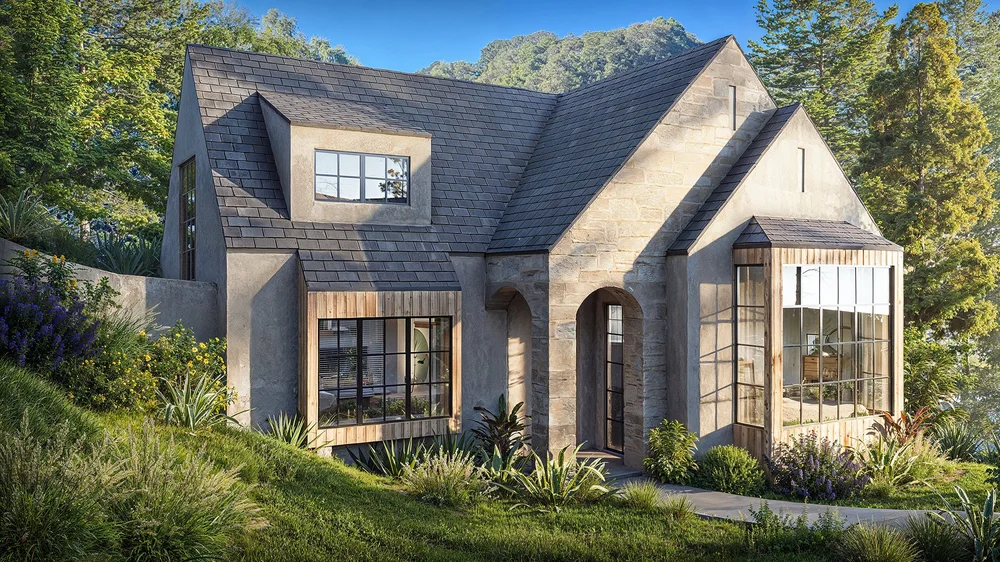
High-end Exterior Landscaped Residential Rendering

If you work in residential design or development, the exterior rendering trends 2026 buyers care about right now are not random style swings. They are tied to how people want homes to feel, perform, and sell in Q2 2026.

That means the strongest exterior renderings today are doing more than showing a front elevation. They are helping builders, architects, and developers communicate curb appeal, material strategy, outdoor living, and overall lifestyle value before the home is built.

Here are seven Q2 2026 shifts worth watching.

1. Warm contrast is replacing the flat all-white look

One of the clearest 2026 design shifts is the move away from stark, sterile exteriors. Warmer neutrals, moodier greens, taupes, black accents, and more layered contrast are showing up more often in current residential design coverage.

For renderings, that means lighting and materials have to work harder. A darker or warmer palette can look rich and current, or it can look heavy and muddy. The difference is in how the scene is built and lit.

2. Mixed materials are becoming the baseline

Homes are looking more layered in Q2 2026. Instead of one dominant finish, more exteriors are combining stone, siding, wood tones, darker window systems, and metal accents. The broader 2026 trend conversation points toward more tactile, natural, and high-performance material combinations.

That is important for rendering because buyers do not just want to know the shape of the home. They want to understand how the materials work together and what kind of value the exterior is signaling.

3. Outdoor living has become part of the hero story

Outdoor space is not a bonus anymore. It is a major part of how homes are sold.

Recent 2026 outdoor living coverage points to multi-zone outdoor areas, stronger indoor-outdoor flow, low-maintenance materials, and spaces designed for entertaining, dining, lounging, and wellness.

For residential rendering, that means a builder should not rely on one standard front shot. In many cases, the stronger image is the rear elevation, covered patio, poolside angle, or twilight view that shows how the home actually lives.

4. Bigger glass and stronger connections to light are showing up everywhere

Large windows, bigger openings, and more intentional relationships between interior and exterior spaces are central to current 2026 home design reporting. Windows and doors are being treated as major design features, not background elements.

That has a direct impact on rendering. Glass has to read believably. Reflections, interior glow, sightlines, and shadow all need to feel convincing if the exterior image is going to look current.

5. Performance-minded exteriors matter more now

Current exterior design coverage is not only about style. It is also about durability, low maintenance, energy performance, and long-term value. That includes more emphasis on resilient materials, better window and door performance, and exteriors that feel built for real-life conditions.

That is useful in renderings because the image can help communicate that a home is not just attractive. It is current, practical, and built with long-term value in mind.

6. Landscaping and context need to feel more believable

A home floating on an empty lot does not do much sales work anymore.

The stronger exterior renderings in Q2 2026 are giving more attention to context: trees, planting, hardscape, adjacent grading, outdoor furniture, and realistic lot placement. That supports the broader move toward homes that feel more grounded, personal, and livable.

This is one of the easiest ways to make an image feel more current. Buyers respond better when the home feels placed, not pasted.

7. Faster rendering workflows are becoming part of the expectation

Even when the final image still needs a trained eye, speed matters more now. AI-assisted rendering workflows and more efficient production pipelines are changing how quickly teams expect first looks and polished finals. Broader 2026 visualization coverage continues to point in that direction.

That is one reason Parker Haus is positioned the way it is internally. Tom described the Parker Haus side as a more set residential pipeline built around simpler documentation, usually CAD or SketchUp, with established camera views, a smaller lighting menu, clay approvals, and a tighter revision path.

Final takeaway

The best exterior rendering trends 2026 are really about one thing: clarity.

Homes need to feel warmer, more livable, more performance-minded, and more complete. That is what builders and developers are trying to show right now, and that is what the best residential renderings should support.

If your team is producing homes in Q2 2026, these are the shifts worth building around.

Need exterior renderings that match the market right now?

Parker Haus helps builders, architects, and residential developers create photoreal exterior imagery through a streamlined residential workflow. Internally, that workflow is designed around simple source files, repeatable camera and lighting setups, and a review process that keeps jobs moving without overcomplicating the work.


source https://parker-haus.com/architectural-rendering-blog/q2-2026-exterior-rendering-trends